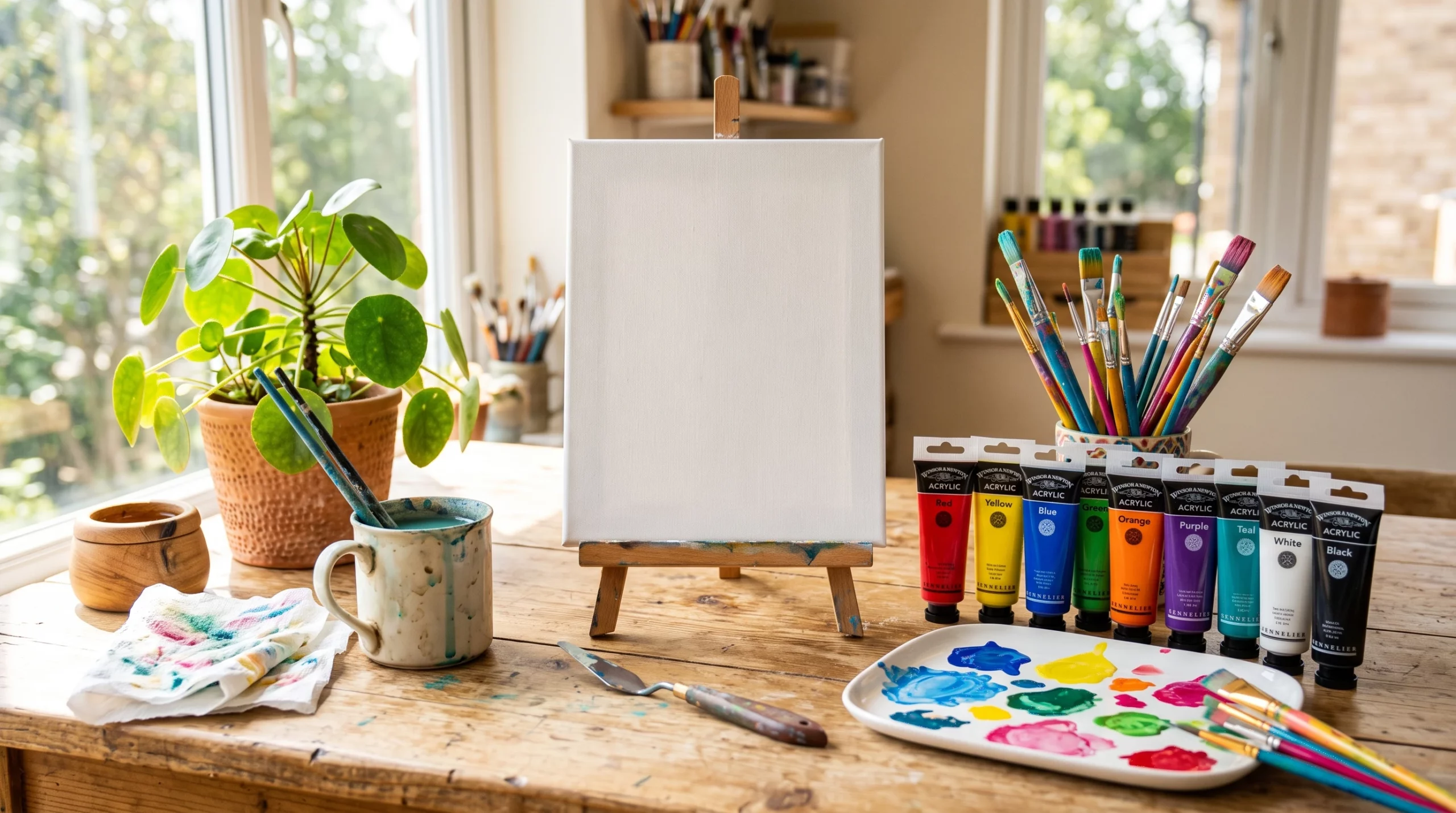
Starting something creative in retirement can feel exciting and a little daunting. Acrylic painting is one of those hobbies that feels approachable, even if you’ve never picked up a brush before. It’s a hobby you can start at your own pace, right at your kitchen table, and it offers some surprising health perks, too.
Why Acrylic Painting?
Acrylic paints don’t have a strong smell, they’re easy to clean up with water, and you don’t need a huge investment in supplies. Even if you haven’t tried art since grade school, this is something you can enjoy, and you don’t need a fancy studio or any background in art. If you’re curious about picking up acrylic painting, or you want to help another retiree jump into this fun hobby, you’re in the right place. I’ll cover all the basics you need, explain exactly why it’s perfect for seniors or anyone 50+, share the health benefits, and recommend the easiest books to help you get started.
Affiliate Disclosure: Some of the links on this website may be affiliate links. This means that if you click a link and make a purchase, I may earn a small commission at no extra cost to you. These commissions help support 65 Plus Life and Boomer Biz HQ, and Dawg Solutions. so I can continue creating free resources for older adults.
Amazon Disclosure: As an Amazon Associate, I earn from qualifying purchases. Any Amazon links used throughout this website may earn a commission when you purchase through them.
Wealthy Affiliate Disclosure: I am also a proud affiliate of Wealthy Affiliate. If you choose to join their platform through my referral link, I may earn a commission. I only recommend Wealthy Affiliate because it has personally helped me build websites and create income online, and I believe it can help other older adults learn these skills too.

Thank you for supporting my work — it truly means a lot.
Jeff
Why Acrylic Painting is a Great Hobby for Retirees
I love acrylic painting because it doesn’t come with a bunch of rules or a steep learning curve. The paint dries quickly, so you’re not sitting around waiting for hours. It washes off your hands and out of clothes easily. If you make a mistake, you can paint right over it in a few minutes.
Perks of Acrylics for Seniors
- They’re non-toxic and pretty much odor free (unlike oil paints).
- No fancy equipment required—a few brushes, some paint, paper towel, and a canvas or paper is all you need.
- Packs of beginner supplies are cheap and found everywhere, from local dollar stores to big craft chains and online.
- You can go fast or slow, working in short bursts or longer sessions.
Many retirees enjoy how forgiving acrylic is if your hands aren’t as steady as they used to be, or if you need to take breaks and come back later. This medium is also super for folks who want to explore color and creativity without stress. Plus, acrylic painting gives you a chance to express yourself and even unwind after a busy day, making it the ultimate relaxing activity for retirees.
Hobbies For Older Adults
In addition, there’s no pressure to produce masterpieces. Sometimes, the simple act of mixing colors or watching the brush move across the canvas is what makes the experience satisfying. Whether you want to paint alone or with friends, it fits perfectly into any lifestyle.
Health Benefits of Acrylic Painting for Seniors
Getting into painting isn’t just about making pretty pictures. Taking up acrylic painting has some real health upsides for older adults, and I’ve heard these firsthand from other retirees at local art groups and classes.
- Improved mental sharpness: Focusing on a painting project helps boost memory and problem solving skills, which is helpful as we age.
- Stress reduction: Painting puts you in a flow state where worries fade away. Just mixing colors and putting brush to canvas is relaxing.
- Better mood: Making art releases feel good chemicals in your brain, so painting can lift your spirits and help with loneliness.
- Finger and hand dexterity: Dipping your brush, squeezing paint, and moving your hands across a canvas is gentle exercise for your muscles and joints.
- Social connection: Many retirees join painting groups or online communities, which brings new friendships and support.
Being in a creative setting, whether at home or with a group, gives a real sense of purpose and belonging. Many seniors notice that having a regular painting routine helps with overall well-being and provides a positive daily focus. Sharing artwork with family and friends opens up conversations and offers extra encouragement, leading to a stronger support system.
Step by Step Guide: How to Start Acrylic Painting as a Retiree
You don’t have to spend a fortune, and you don’t need to know a single thing about art theory. Here’s how I recommend you get started:
Step 1: Gather Your Beginner Supplies
- Acrylic paints: Start with a small starter set—primary colors, black, and white are plenty.
- Brushes: A starter set will usually have all the sizes you need. Basic round and flat brushes are perfect for beginners.
- Surfaces: Buy a pad of acrylic painting paper or inexpensive canvases.
- Palette: Plastic or disposable plates work fine.
- Water cup: For rinsing brushes, any old mug will do.
- Papertowels or rags: For dabbing or cleaning up.
Photography For Older Adults
Step 2: Choose a Comfortable Painting Spot
Pick a spot at a table with good lighting and enough room to spread out your supplies. You don’t need to stand; many older adults prefer sitting. Lay down some newspaper if you’re worried about messes.
Step 3: Pick a Beginner Friendly Book
Learning from a book is great for visual learners, and you can go at your own pace. I’ve listed some highly rated books below that are especially popular with retirees.
Step 4: Start with Simple Projects
Don’t try to paint the Mona Lisa. Most beginners (myself included) pick landscapes, flowers, or simple shapes for their first projects. Follow the steps in your beginner book and enjoy the process. Mistakes are normal, and often end up looking cool in the final artwork.
Step 5: Join a Community
If you like company, look for local senior centers, libraries, or art stores offering beginner painting classes. There are also many Facebook groups and YouTube channels just for seniors starting with acrylics.
Best Acrylic Painting Books for Beginners Over 50
Learning with a book is super handy. A lot of retirees prefer flipping through pages rather than fiddling with a phone or tablet. These books all have step by step tutorials, clear photos, and helpful advice. The ones listed here are available on Amazon and get good reviews from older adults.
- Acrylics for the Absolute Beginner – Clear, friendly, and truly zero pressure. Seniors love how it explains every step and doesn’t overload you with jargon.
- Mastering Acrylic Painting Step by Step for Beginners – Features lots of simple projects. The easy directions and big photos really make it easy to follow along.
- Painting with Acrylics for Beginners – Offers a great intro to mixing, brush skills, and basic techniques seniors find super approachable.
You will find these books are often included in the Kindle Unlimited Membership, but I recommend checking the reviews and looking inside the book preview on Amazon before you buy, to see if the style fits you. Many of these books are
Tips for Making Acrylic Painting Work for You in Retirement
- Keep things simple; start with affordable supplies and small projects.
- Enjoy the process. This hobby isn’t about making perfect pictures, but about exploring creativity and relaxing.
- Take regular breaks, especially if you have arthritis or hand fatigue.
- Display your finished pieces with pride. Hang them up, gift them, or share photos with family and friends.
If you need extra inspiration, look at online galleries, join a painting challenge, or invite a friend to paint with you.
Gardening For Older Adults
There’s something uplifting about sharing creativity and seeing how others interpret the same project.
Frequently Asked Questions by Senior Beginner Painters
What if I haven’t painted in decades (or ever)?
You’re not alone. Most folks over 50 starting with acrylics are picking up a brush for the first time since elementary school. Every brushstroke, even the wobbly ones, helps you learn.
Do I need expensive canvases and paint?
Not at all. Start with budget friendly paint sets and paper or canvas boards. As your skills and confidence build, you can try other surfaces and paints.
My hands aren’t steady. Will that be a problem?
Not really. Acrylics let you layer and correct easily. Many beginners develop their own style that embraces unique brushwork. Shaky lines can even add personality to your paintings.
How long does it take to get good?
Learning is always ongoing. Even experienced artists try new things with each painting. Enjoy the progress and little victories along the way. Your first painting is already a win!
Budget-Friendly Arthritis Friendly Options
When looking for an acrylic painting kit that is friendly for hands with arthritis, the key features to look for are thick, ergonomic handles or the inclusion of acrylic paint markers/pens. Standard thin paintbrushes require a tight, pinching grip that can quickly cause hand fatigue and joint pain. Selecting a kit that minimizes tight gripping makes the setup much more comfortable.
Here are a few budget-friendly, beginner options that provide a more comfortable grip, all available in an affordable price range under $45:
Kits with Ergonomic Features
- TheFaber-Castell Young Artist Learn to Paint Setis designed for beginners and uniquely features 6 brushes with triangular shaped handles. This specific shape prevents the brush from rolling and allows for a much looser, more relaxed grip that reduces hand strain. It includes washable paints, a palette, and instructions.
- TheMisumiso 24 Color Acrylic Paint Set with Easelis a massive all-in-one bundle that includes 24 vibrant paint tubes, a tabletop easel, canvas panels, and a 10-piece brush kit. While the brushes have traditional handles, using the included tabletop easel changes the angle of your wrist, preventing you from having to lean over a flat table, which relieves pressure on arthritic hand and wrist joints.
The Paint Marker Alternative (Easiest on Joints)
- If standard brushes are too painful, switching to Ohuhu Acrylic Paint Markers is highly recommended. These feature thick barrels that are much easier to grasp than thin brushes, requiring less hand closing. Since they use highly opaque, waterproof acrylic ink, you get the exact same vibrant look as traditional acrylic paint without needing to squeeze tubes, mix colors, or grip thin brush handles.
Jeffs Recommendation
If you prefer a traditional painting experience, the Faber-Castell Set is your best choice due to its triangular ergonomic brushes. However, if squeezing tubes and holding fine brushes sounds frustrating, starting with the Ohuhu Acrylic Paint Markers offers a pain-free, highly accessible way to enjoy acrylic art on canvas or paper.
I started my own acrylic painting hobby using canvas paper instead of investing in canvases, you can practive on this paper your bush stroke techniqes with this affordable option. Then when you feel confident, purchase the more expensive option of painting on canvases.
Easy Action Plan: Get Started Painting Today
- Pick up a basic acrylic painting supply set and one highly rated beginner book.
- Set up a spot with good natural light, a comfy chair, and space for your supplies.
- Pick a simple project from your chosen book—flowers, sunsets, or abstract shapes are a good start.
- Set aside a quiet hour, maybe with music or a podcast in the background, and give yourself permission to explore and play.
Every painting you try unlocks a little more creativity and fun. Whether you’re painting alongside a spouse, in a group, or solo, there’s something really special about seeing your progress in every new piece. And if you ever feel stuck, remember that art is about the process, not perfection. Over time, you’ll notice your confidence growing with every brushstroke, making your creative adventure even more rewarding.
Thank you for visiting 65 Plus LIfe to learn how to start acryic painting with Jeff,
Jeff
Affiliate Disclosure: Some of the links on this website may be affiliate links. This means that if you click a link and make a purchase, I may earn a small commission at no extra cost to you. These commissions help support 65 Plus Life and Boomer Biz HQ, and Dawg Solutions. so I can continue creating free resources for older adults.
Amazon Disclosure: As an Amazon Associate, I earn from qualifying purchases. Any Amazon links used throughout this website may earn a commission when you purchase through them.
Wealthy Affiliate Disclosure: I am also a proud affiliate of Wealthy Affiliate. If you choose to join their platform through my referral link, I may earn a commission. I only recommend Wealthy Affiliate because it has personally helped me build websites and create income online, and I believe it can help other older adults learn these skills too.
Thank you for supporting my work — it truly means a lot.
Jeff
I really liked your tip about starting with affordable canvas paper instead of jumping straight into expensive canvases, since it takes so much pressure off when you’re just trying to get the hang of brush strokes. When I first tried painting a few years ago, I bought a whole set of pricey stretched canvases and ended up too scared to even touch them because I didn’t want to “ruin” them.
How do you usually recommend pushing past that initial hesitation to just make messy marks and get comfortable with the paint? I’d love to hear if you have a favorite low-stakes practice exercise that helps beginners loosen up before tackling a real project.
Great to hear from you, Ropata
I have experienced myself taking that first step to get started is the most difficult, at least with paper canvas I am not nearly as nervous as if I started painting on canvas.
Learn the brush strokes for each brush you plan to use, and practice them on the paper canvas until you feel confident is what I recommend.
There are tons of books with the brush stokes that is how I got started
Jeff