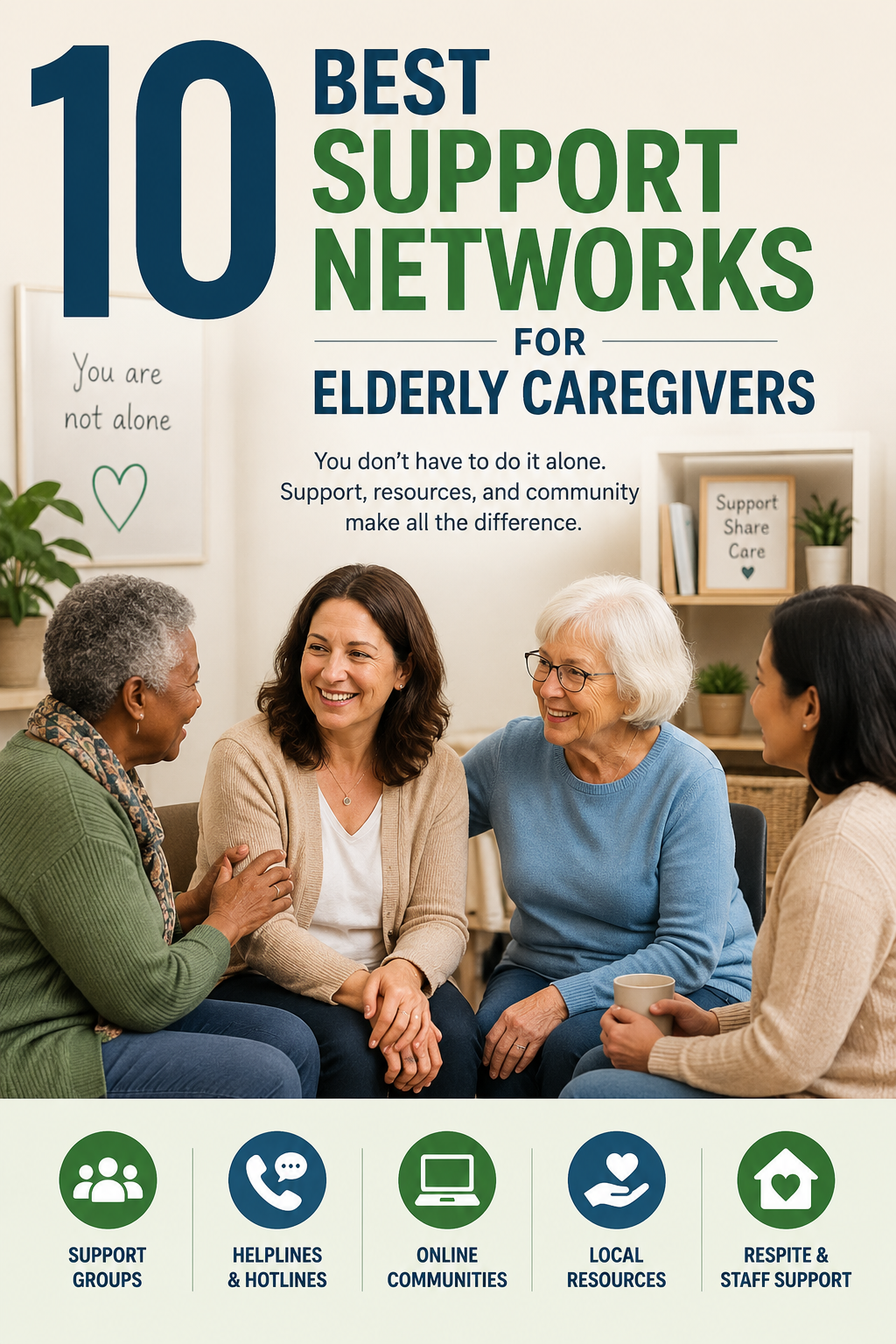
10 best support networks for elderly caregivers can be extremely valuable. Caregivers need as much support as they can possible receive, and being a older caregiver myself motivated me to share this information with you.
Affiliate Disclosure
Amazon + Friends
Affiliate Disclosure: Some of the links on this website may be affiliate links. This means that if you click a link and make a purchase, I may earn a small commission at no extra cost to you. These commissions help support 65 Plus Life and Boomer Biz HQ, and Dawg Solutions. so I can continue creating free resources for older adults.
Amazon Disclosure: As an Amazon Associate, I earn from qualifying purchases. Any Amazon links used throughout this website may earn a commission when you purchase through them.
Wealthy Affiliate Disclosure: I am also a proud affiliate of Wealthy Affiliate. If you choose to join their platform through my referral link, I may earn a commission. I only recommend Wealthy Affiliate because it has personally helped me build websites and create income online, and I believe it can help other older adults learn these skills too.

Thank you for supporting my work — it truly means a lot.
Jeff
10 Best Support Networks for Elderly Caregivers
Caring for an aging parent is one of the most meaningful—and challenging—roles I have ever taken on. As an older adult caring for my elderly mother, I understand firsthand the emotional, physical, and financial demands that come with caregiving. While helping a loved one maintain their independence and quality of life can be deeply rewarding, it can also feel overwhelming at times.
Over the years, I’ve learned
No caregiver should try to handle everything alone. Having access to reliable support networks can make a tremendous difference, providing practical assistance, emotional encouragement, educational resources, and opportunities to connect with others facing similar challenges.
What Are Common 7 Challenges For Caregivers
My experiences caring for my mother motivated me to research and share valuable resources with fellow caregivers. Whether you’re looking for advice, respite care options, financial guidance, or simply a community that understands what you’re going through, the right support network can help lighten the load and improve both your well-being and the quality of care you provide.
In this article, I’ll share ten of the best support networks for elderly caregivers, along with the unique benefits each offers and how they can help you navigate your caregiving journey with greater confidence and support.
1. Family Caregiver Alliance (FCA)
The Family Caregiver Alliance is one of the most respected organizations dedicated to supporting family caregivers. It offers educational resources, online support groups, caregiving guides, and personalized assistance for those caring for aging loved ones.
Benefits:
- Comprehensive caregiver education
- Online support groups and discussion forums
- Care planning resources
- Information on legal and financial matters
How It Helps: FCA provides practical tools and expert guidance that can help caregivers make informed decisions while reducing stress and caregiver burnout.
2. AARP Caregiving Resources
AARP offers an extensive collection of caregiving tools designed specifically for adults caring for aging parents, spouses, and relatives. Their resources cover everything from daily caregiving tasks to long-term planning.
Benefits:
- Caregiving articles and checklists
- Financial and legal guidance
- Community forums
- Caregiving calculators and planning tools
How It Helps: AARP simplifies complex caregiving responsibilities and helps families prepare for future care needs.
3. Aging and Disability Resource Centers (ADRCs)
ADRCs serve as local information hubs that connect caregivers with services available in their communities. These centers help families locate transportation, meal programs, home care services, and other essential resources.
Benefits:
- Local resource referrals
- Assistance navigating benefits programs
- Access to community services
- Information on long-term care options
How It Helps: ADRCs save caregivers valuable time by helping them quickly find local support services tailored to their needs.
4. The Caregiver Action Network (CAN)
The Caregiver Action Network is a nonprofit organization that provides free education, peer support, and practical resources for family caregivers.
Benefits:
- Peer support opportunities
- Educational webinars
- Caregiving toolkits
- Expert caregiving advice
How It Helps: CAN connects caregivers with people who understand their experiences, helping reduce feelings of isolation.
5. Alzheimer’s Association Support Network
Even if your loved one has not been diagnosed with Alzheimer’s disease, the Alzheimer’s Association offers valuable caregiving resources that apply to many forms of dementia and cognitive decline.
Benefits:
- Support groups
- Educational workshops
- 24/7 helpline
- Dementia care resources
How It Helps: Caregivers gain access to specialized knowledge and emotional support while navigating memory-related conditions.
6. Area Agencies on Aging (AAA)
Area Agencies on Aging operate across the United States and connect older adults and caregivers with local programs and services.
Benefits:
- Respite care referrals
- Transportation assistance
- Nutrition programs
- Home and community-based services
How It Helps: AAAs can identify services that help caregivers balance their responsibilities while maintaining their own health and well-being.
7. Eldercare Locator
Eldercare Locator is a nationwide service that helps caregivers find trustworthy local resources for aging adults.
Benefits:
- Access to local support programs
- Information on caregiver assistance services
- Referrals to government and nonprofit agencies
- Guidance on elder care options
How It Helps: Caregivers can quickly locate services in their area without spending hours researching available resources.
8. Local Caregiver Support Groups
Many hospitals, senior centers, faith-based organizations, and community centers host caregiver support groups where participants can share experiences and advice.
Benefits:
- Emotional support
- Shared caregiving experiences
- Practical caregiving tips
- Reduced social isolation
How It Helps: Speaking with others facing similar challenges can provide reassurance, encouragement, and valuable coping strategies.
9. Online Caregiver Communities
Virtual caregiver communities have become increasingly popular because they allow caregivers to connect from the comfort of home.
How To Maximize Your Kindle Unlimited Account
Benefits:
- Flexible participation
- Access to caregivers worldwide
- Round-the-clock discussions
- Information sharing and encouragement
How It Helps: Online communities provide immediate support and practical insights when caregivers need advice or understanding.
10. Respite Care Programs
Although not a traditional support group, respite care programs provide one of the most valuable forms of support for family caregivers.
Benefits:
- Temporary relief from caregiving duties
- Reduced stress and exhaustion
- Improved caregiver health
- Time for personal responsibilities and self-care
How It Helps: Taking regular breaks allows caregivers to recharge physically and emotionally, helping them provide better long-term care.
Jeff Shares
Caregiving can sometimes feel like a lonely journey, but countless organizations, community groups, and support services are available to help. As someone who cares for my elderly mother, I know how important it is to have trusted resources and compassionate people to lean on during difficult times.
The right support network can provide practical assistance, emotional encouragement, and expert guidance when challenges arise. By reaching out for help and building a strong circle of support, caregivers can protect their own well-being while continuing to provide the best possible care for their loved ones.
Reputable Online Communities for Elderly Caregiver Support
One of the greatest advantages of online caregiver communities is that support is available whenever you need it. Whether you’re looking for practical advice, emotional encouragement, or simply reassurance that you’re not alone, these trusted communities can help you connect with people who understand the realities of caring for an aging loved one.
How To Publish Your First Kindle Book For Success
1. Family Caregiver Alliance (FCA) Online Support Groups
The Family Caregiver Alliance offers online support groups for family caregivers, including specialized groups for those caring for older adults with chronic illnesses and dementia. Members can share experiences, ask questions, and receive guidance from others facing similar challenges.
Best for: Caregivers seeking structured support and educational resources.
2. AARP Caregiving Community
AARP’s online caregiving community allows family caregivers to connect through discussion forums, ask questions, exchange tips, and learn from caregiving experts. The community is open to everyone, not just AARP members.
Best for: Older adult caregivers looking for peer support and practical caregiving advice.
3. Caregiver Action Network (CAN) Community
The Caregiver Action Network provides online communities, educational resources, webinars, and peer-to-peer support opportunities. Their platform focuses on helping caregivers navigate everyday caregiving challenges with confidence.
Best for: Caregivers seeking both emotional support and practical caregiving resources.
4. AARP Family Caregivers Facebook Group
This moderated Facebook community offers a welcoming space where caregivers can share experiences, ask questions, and receive encouragement from thousands of fellow family caregivers.
Best for: Quick advice, daily interaction, and social connection.
5. Well Spouse Association
For caregivers looking after a spouse or partner with chronic illness or disability, the Well Spouse Association offers peer support, discussion groups, and educational programs designed specifically for spousal caregivers.
Best for: Spouses caring for a husband, wife, or long-term partner.
6. Disease-Specific Online Communities
Organizations such as the Alzheimer’s Association and other condition-specific groups often host virtual support meetings and online forums tailored to caregivers dealing with dementia, Parkinson’s disease, stroke recovery, and other age-related conditions.
Best for: Caregivers seeking specialized advice related to a loved one’s diagnosis.
Choosing the Right Online Community
Not every support group will be the right fit. Consider what you need most:
- Emotional support and understanding
- Practical caregiving tips
- Disease-specific information
- Local resource recommendations
- Flexible participation schedules
Many caregivers find it helpful to join more than one community, using one for emotional support and another for education and caregiving resources.
Jeff Shares
As someone caring for my elderly mother, I’ve learned that one of the most powerful reminders during difficult days is knowing that other caregivers truly understand what you’re experiencing. Online communities can provide encouragement, practical solutions, and a sense of belonging that makes the caregiving journey feel far less overwhelming. Sometimes, simply hearing “I’ve been there too” can make all the difference.
My Caregiver Experience
As someone who is caring for my elderly mother, I know firsthand that caregiving can be both rewarding and challenging.
Kindle Ebooks For Seniors With Visual Impairment
There are days filled with meaningful moments and gratitude, but there are also times when the responsibilities can feel overwhelming. One of the most important lessons I’ve learned on this journey is that no caregiver should try to do it all alone.
Support Networks
The support networks featured in this article have become valuable assets for countless family caregivers. Whether it’s connecting with others who understand your situation, finding local resources, accessing expert guidance, or simply taking advantage of respite care services, these networks can provide the encouragement and assistance needed to navigate the caregiving journey with greater confidence.
My Personal Experience
For me, knowing the help, information, and support are available has made a significant difference in my ability to care for my mother while also looking after my own well-being. Caregiving is not just about supporting our loved ones—it’s also about ensuring that we have the resources and support necessary to continue providing the best care possible.
If you’re caring for an aging parent, spouse, or other family member
I encourage you to explore these support networks and take advantage of the services they offer. Reaching out for help isn’t a sign of weakness; it’s one of the smartest and most important steps you can take as a caregiver. With the right support system in place, you’ll be better equipped to face challenges, reduce stress, and find comfort in knowing you’re not alone on this journey.
If reading ” 10 Best Support Networks For Elderly Caregivers” has been helpful,, please share your experience in my comments.
Jeff
Affiliate Disclosure: Some of the links on this website may be affiliate links. This means that if you click a link and make a purchase, I may earn a small commission at no extra cost to you. These commissions help support 65 Plus Life and Boomer Biz HQ, and Dawg Solutions. so I can continue creating free resources for older adults.
Amazon Disclosure: As an Amazon Associate, I earn from qualifying purchases. Any Amazon links used throughout this website may earn a commission when you purchase through them.
Wealthy Affiliate Disclosure: I am also a proud affiliate of Wealthy Affiliate. If you choose to join their platform through my referral link, I may earn a commission. I only recommend Wealthy Affiliate because it has personally helped me build websites and create income online, and I believe it can help other older adults learn these skills too.
Thank you for supporting my work — it truly means a lot.
Jeff
Arts & Crafts For Older Adults
This was a helpful list, especially because caregiver support can feel very confusing when someone is already tired and emotionally overwhelmed. The part about respite care stood out to me most, because many caregivers know they need a break, but they may feel guilty taking one or not know how to arrange it safely. I also liked that you included both local support groups and online communities, since not everyone can leave home easily. My question is, how can a caregiver tell whether a support group is truly a good emotional fit before sharing very personal family details there?
Hello Hanna,
Thank you for visiting 65 Plus Life, when readers like yourself share it helps me write better articles
Jeff