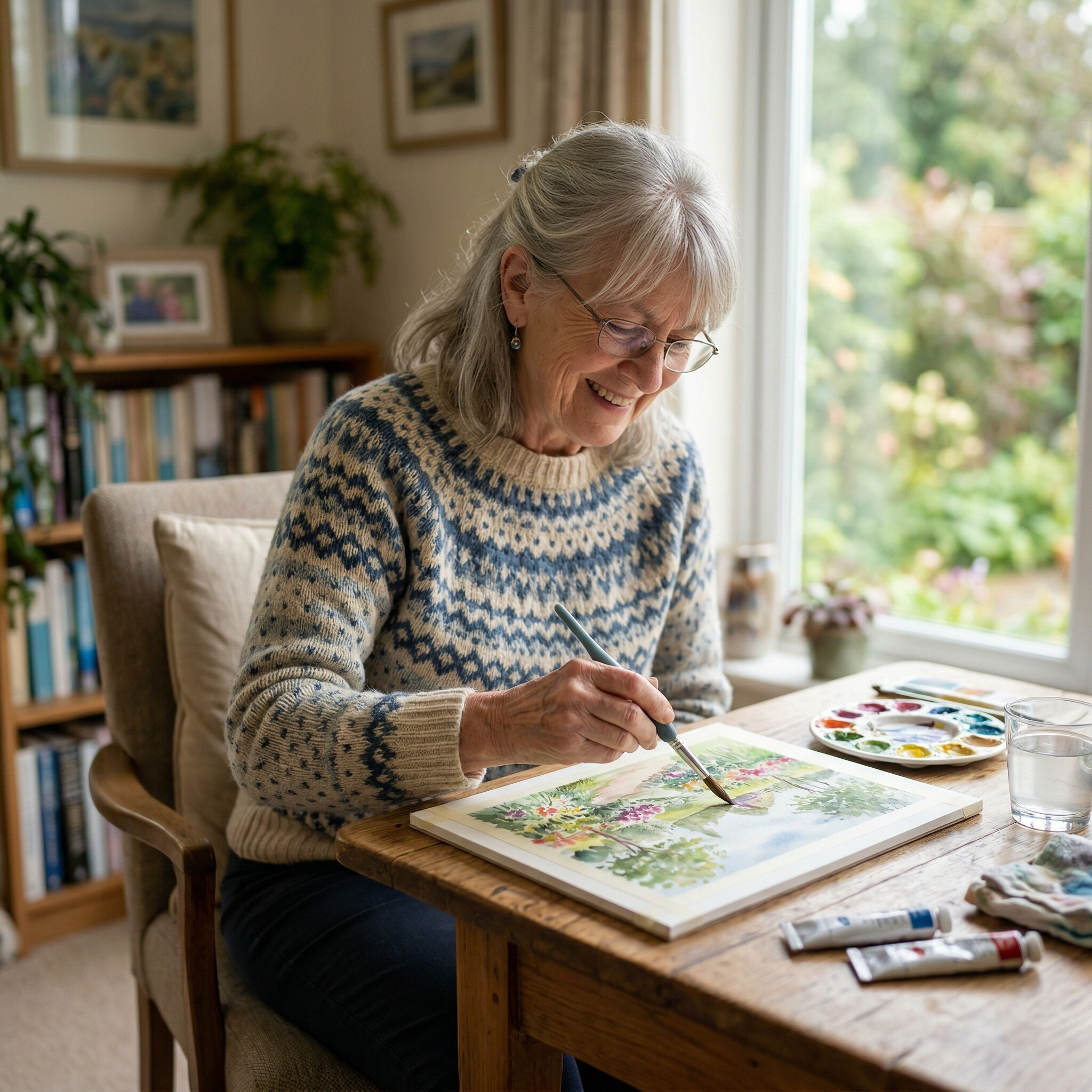
How to choose hobbies with arthritis can be challenging. We are going to help those of you who share arthritis like myself, hobbies are an important part of being healthy as an older adult.
Affiliate Disclosure
Amazon + Friends
Affiliate Disclosure: Some of the links on this website may be affiliate links. This means that if you click a link and make a purchase, I may earn a small commission at no extra cost to you. These commissions help support 65 Plus Life and Boomer Biz HQ, and Dawg Solutions. so I can continue creating free resources for older adults.
Amazon Disclosure: As an Amazon Associate, I earn from qualifying purchases. Any Amazon links used throughout this website may earn a commission when you purchase through them.
Wealthy Affiliate Disclosure: I am also a proud affiliate of Wealthy Affiliate. If you choose to join their platform through my referral link, I may earn a commission. I only recommend Wealthy Affiliate because it has personally helped me build websites and create income online, and I believe it can help other older adults learn these skills too.

Thank you for supporting my work — it truly means a lot.
Jeff
How to Choose Hobbies When You Have Arthritis
For years, I was frustrated trying to find hobbies that actually worked with my arthritis symptoms—not against them.
I’d start something new with excitement, only to quit a few days later because of pain, stiffness, or just plain discomfort.
Whether it was working with my hands, standing too long, or repeating the same motions, it seemed like every hobby I tried came with a price my body wasn’t willing to pay.
And honestly, that took the fun out of it.
I began to wonder… Were hobbies just not meant for me anymore?
But over time, I realized something important: it wasn’t that I couldn’t enjoy hobbies—it was that I needed to choose them differently.
Once I started paying attention to what my body could handle, instead of fighting against it, everything changed. I found activities that were not only enjoyable but actually helped me feel better—physically and mentally.
If you’re dealing with arthritis, I want you to know this:
You don’t have to give up hobbies—you just need to find the right ones.
How to Choose the Right Kind of Hobbies With Arthritis
Excellent Hobbies To Start In Retirement Revealed
Finding the right hobby when you have arthritis is not about forcing yourself to keep up with activities that leave you hurting. It is about choosing hobbies that fit your body, your energy level, and your interests. The good news is that there are plenty of enjoyable options once you know what to look for.
Here is a simple step-by-step guide to help you find hobbies that are a better match for you.
Step 1: Start with what you enjoy
Before thinking about limitations, think about what naturally interests you.
Ask yourself:
- Do I enjoy being creative?
- Do I like being outdoors?
- Do I prefer quiet activities or social ones?
- Do I like working with my hands, learning new things, or staying active?
A hobby should still feel fun and rewarding. If you pick something just because it seems easy, but you do not actually enjoy it, you probably will not stick with it.
Step 2: Be honest about your arthritis symptoms
The next step is to look at how arthritis affects you personally. Everyone is different. Some people deal more with hand pain and stiffness. Others struggle with knees, hips, back pain, or fatigue.
Think about:
- Which joints bother me the most?
- What movements tend to make my pain worse?
- What time of day do I feel my best?
- How long can I comfortably do an activity before I need a break?
Being honest here is important. The goal is not to push through pain. The goal is to choose hobbies that work with your body instead of against it.
Step 3: Look for low-impact activities
In general, the best hobbies for people with arthritis are often low-impact and flexible. That means they do not put too much strain on your joints and can be adjusted as needed.
Good examples might include:
- Reading
- Birdwatching
- Gardening ergomic tools
- Photography
- Puzzles
- Painting or coloring
- Knitting with ergonomic tools
- Chair yoga
- Swimming or water exercise
- Cooking simple recipes
Since arhritis has taken over my life from time to time, I have experienced reading to be one of my best hobbies on my bad days.
Step 4: Choose hobbies that can be adapted
One of the smartest things you can do is look for hobbies that can be modified.
For example:
- If you love gardening, use lightweight tools and raised planters.
- If you enjoy crafts, look for larger-handled tools that are easier to grip.
- If you like exercise, choose chair exercises, stretching, or water-based movement.
- If you enjoy writing, try voice-to-text tools on your phone or computer.
A hobby does not have to be done the “old way” to still count. Small changes can make a big difference.
Step 5: Test one hobby at a time
It can be tempting to make a big list and try everything at once, but it is better to start small. Pick one hobby that sounds enjoyable and realistic. Try it for a short amount of time first.
Best Creative Hobbies For Retirees
Give yourself permission to ask:
- Did I enjoy this?
- Did it leave me feeling relaxed or frustrated?
- How did my joints feel afterward?
- Would I want to do this again?
Trying one hobby at a time makes it easier to notice what truly works for you.
Step 6: Start slow and build up
Even a good hobby can become painful if you overdo it. Start with short sessions and increase slowly.
You might begin with:
- 10 to 15 minutes of crafting
- A short walk in the garden
- One puzzle session
- A beginner chair exercise video
Starting slow helps you enjoy the hobby without paying for it later with extra pain or stiffness.
Step 7: Pay attention to how you feel afterward
This is one of the best ways to judge whether a hobby is a good fit. A hobby should leave you feeling satisfied, calm, interested, or refreshed. It should not regularly leave you exhausted or in pain for hours afterward.
A good hobby choice usually:
- Fits your energy level
- Does not increase your symptoms too much
- Can be done at your own pace
- Gives you something to look forward to
If an activity checks those boxes, you are probably on the right track.
Step 8: Keep a flexible mindset
Some days your arthritis may be mild. Other days it may flare up. That is why it helps to have more than one hobby.
For example, you might have:
- A good-day hobby like light gardening
- A bad-day hobby like reading
This gives you options and helps you stay engaged no matter how you are feeling.
Step 9: Do not feel guilty about changing hobbies
Sometimes a hobby that used to work just does not fit anymore. That can be disappointing, but it does not mean you have failed. It just means your needs have changed.
There is nothing wrong with letting go of one activity and trying another that is easier on your body. The goal is enjoyment, not frustration.
Step 10: Focus on comfort, joy, and consistency
The best hobby for arthritis is not the most impressive one. It is the one you can enjoy comfortably and return to again and again.
When choosing a hobby, ask yourself:
- Is this comfortable enough for me?
- Does this bring me joy?
- Can I realistically keep doing it?
If the answer is yes, you may have found a hobby that truly fits your life.
From Jeff
Living with arthritis does not mean giving up on hobbies. It just means being more thoughtful about the ones you choose. When you focus on comfort, flexibility, and enjoyment, you can still find activities that bring purpose, relaxation, and fun to your day.
The right hobby is out there.
Creative hobbies are what I love the best on good days, but on bad days I go back to reading on my Kindle eReader that works the best for me.
Best Hobbies for Seniors with Arthritis and Helpful Tools to Make Them Easier
DiscoverWhere To Sell Handmade Crafts For Success
Living with arthritis doesn’t mean giving up the things you enjoy—it just means doing them a little differently. The right hobby, combined with a few helpful tools, can reduce strain and make activities enjoyable again.
In fact, simple assistive devices like jar openers, reachers, and ergonomic grips are specifically designed to reduce joint stress and improve independence .
Here are some of the best arthritis-friendly hobbies—and the tools that can help you enjoy them comfortably.
1. Gardening
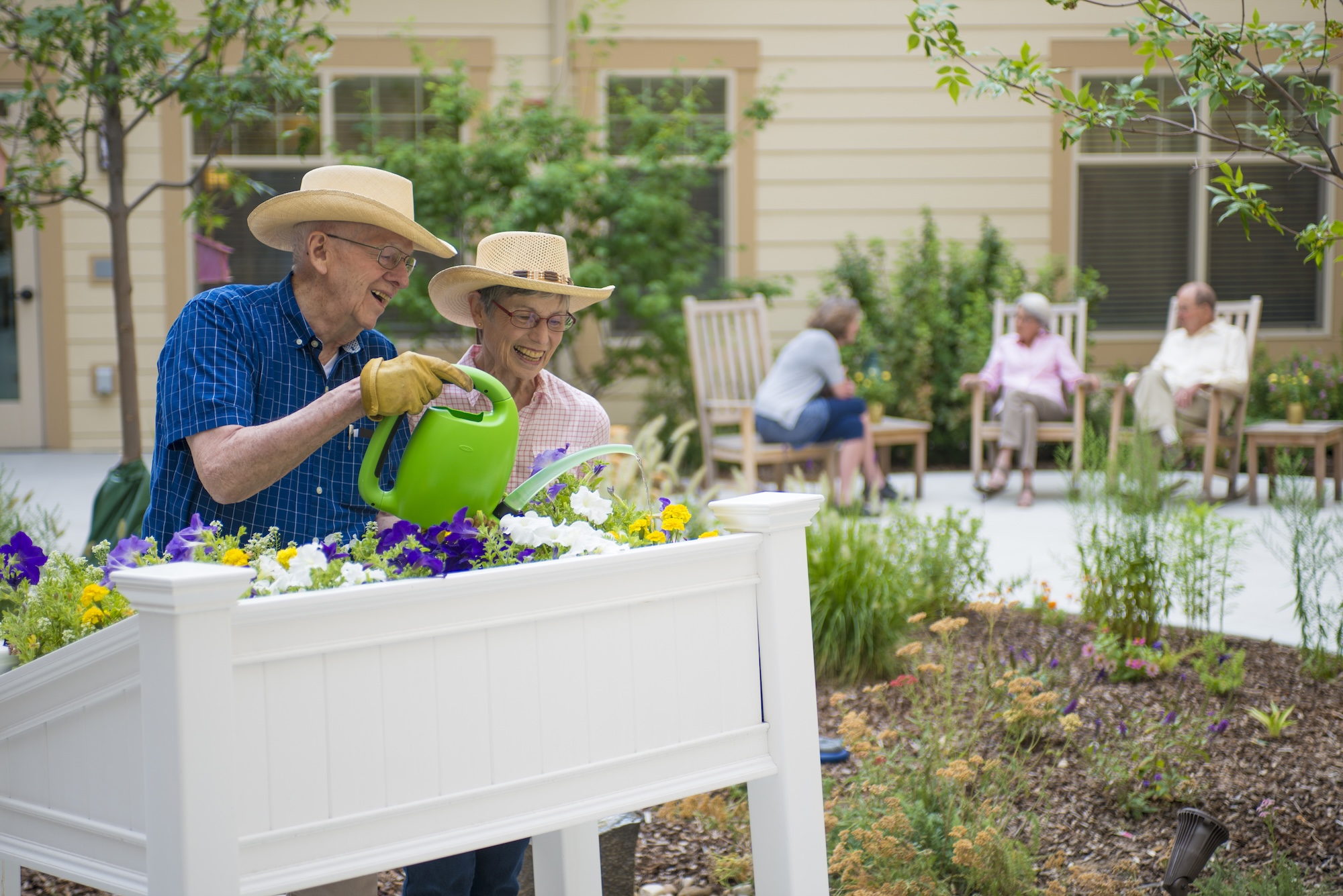
Gardening is relaxing, rewarding, and great for your mood—but bending, kneeling, and gripping tools can be tough on joints.
Why it works:
You can easily adapt gardening to your comfort level with raised beds, containers, or shorter sessions.
Helpful tools:
- PETA Easi-Grip Long Reach Fork – lets you garden with less bending and wrist strain
- PETA Easi-Grip Long Reach Cultivator – keeps your wrist in a natural position
- Functionalhand Universal Holder – helps you hold tools without gripping tightly
2. Arts & Crafts
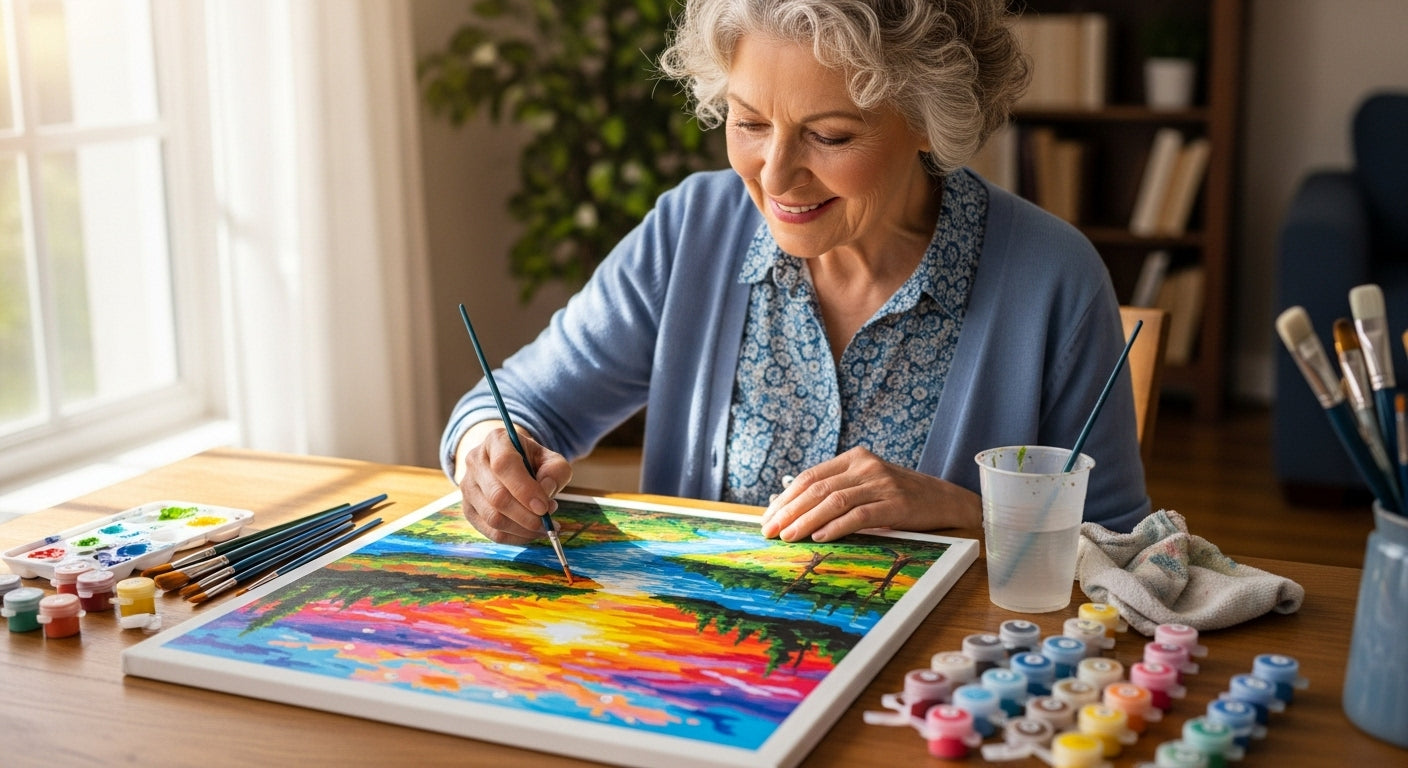
Painting, coloring, knitting, and simple crafts can be incredibly relaxing.
Why it works:
You can go at your own pace and stop anytime your hands need a break.
Helpful tools:
- Gripeez Ergonomic Built-Up Grip – makes brushes, pens, and tools easier to hold
- EazyHold Adaptive Grip Aid – lets you hold items with minimal effort
- Heavyweight Mechanical Pencil Set – reduces hand strain when writing or drawing
3. Walking & Light Exercise

Staying active is one of the best things you can do for arthritis.
Why it works:
Low-impact movement helps reduce stiffness and improves mobility.
Helpful tools:
- FitGlide Seated Exercise Aid – allows gentle movement without joint strain
- Supportive grips or braces (not shown here) can also help stabilize joints
Low-impact is the key to exercising and staying active with arthrits, I find a stationary bike to be my best indoor way to exercise and stay active.
4. Cooking & Baking
Cooking can still be enjoyable—it just needs a few adjustments.
Why it works:
You can control your pace, sit when needed, and simplify tasks.
Helpful tools:
- Anqtovp Jar Opener for Weak Hands – eliminates painful twisting
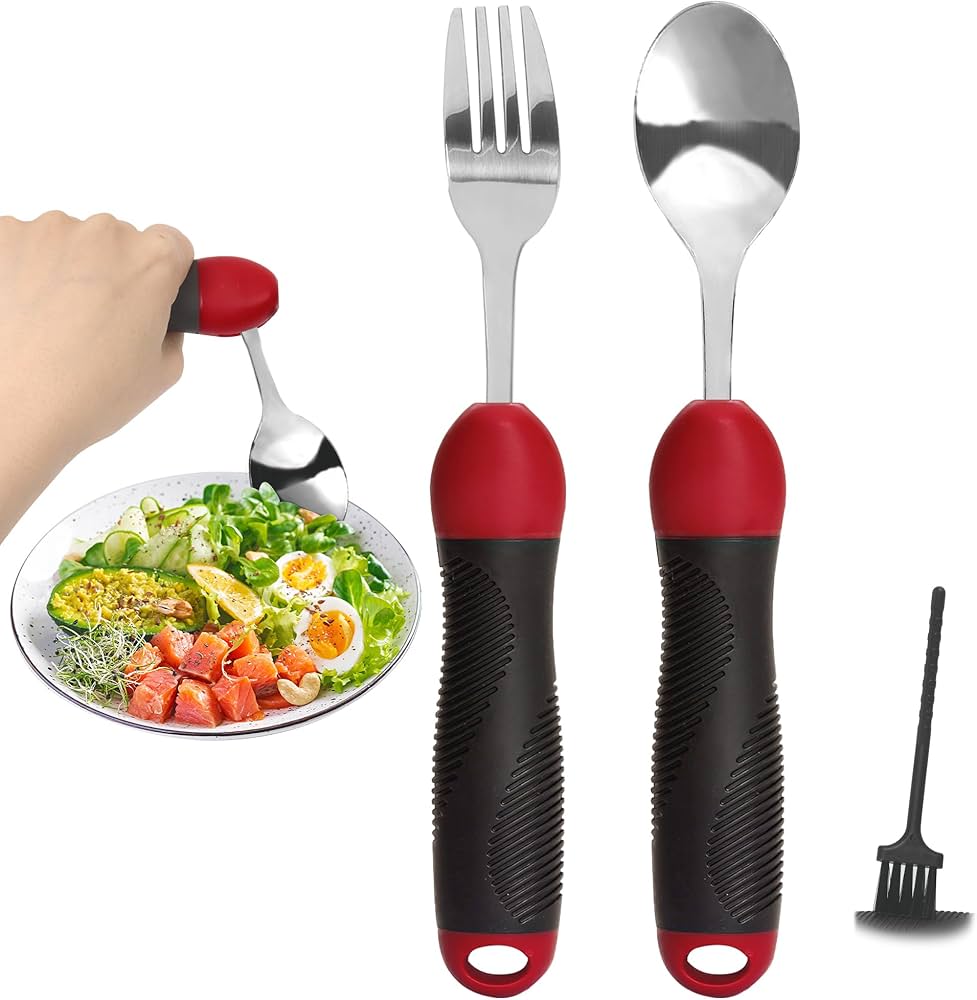
- Vive Adaptive Utensil Set – easier to grip and control
- T-Grip Rocker Knife – cuts food without needing strong grip
These types of tools are specifically designed to reduce strain on joints and improve efficiency .
5. Puzzles, Reading & Brain Games
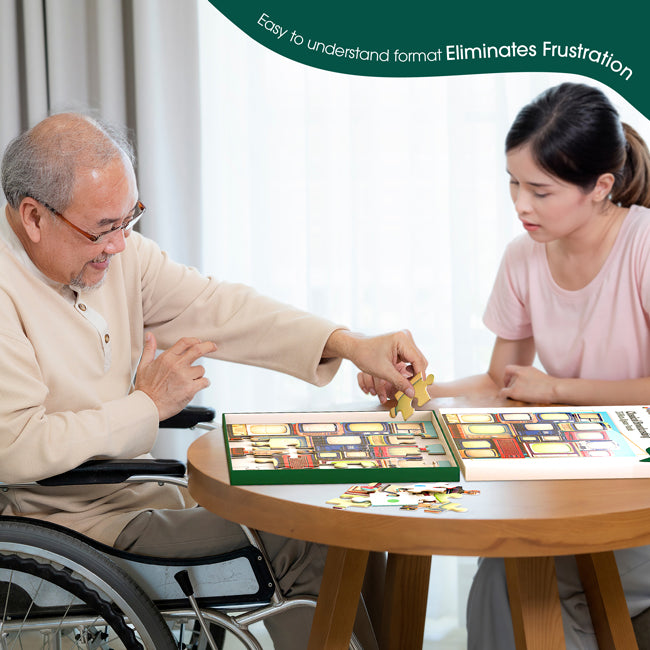
Sometimes the best hobby is one that lets your body rest.
Why it works:
These activities require minimal physical strain while keeping your mind active.
Helpful tools:
- Tablet stands or book holders (to avoid holding weight)
- Blue Jay Reacher-Gripper – helps pick up dropped items without bending
6. Photography

Photography gets you moving, observing, and enjoying the moment.
Why it works:
You can use a lightweight camera or even your phone.
Helpful tools:
- EazyHold Adaptive Grip Aid – helps stabilize grip on devices
- Lightweight straps or tripods (to reduce hand strain)
7. Birdwatching

This is one of the easiest hobbies to start—and one of the most peaceful.
Why it works:
You can do it sitting down, right from your window or porch.
Helpful tools:
- Lightweight binoculars
- Comfortable seating and supports
- Blue Jay Reacher-Gripper – helps with feeders or dropped items
8. Everyday “Life Hobbies”
Sometimes the most meaningful “hobby” is simply staying independent and active in daily life.
Helpful tools that support multiple hobbies:
- Helping Hand Arthri Grip Pro Reacher – reduces bending and reaching
- Adaptive Weighted Utensils – improves control and reduces hand fatigue
- Built-Up Grip Aids – can be used across many activities
These tools help keep joints in better positions and reduce strain during everyday tasks .
Jeffs Tips
The goal isn’t to find the “perfect” hobby—it’s to find one that:
- Feels good on your body
- Brings you enjoyment
- Fits your energy level
With the right adjustments and tools, many hobbies you thought were “off limits” can actually become enjoyable again.
Jeff Shares
Finding the right hobbies when you have arthritis can take a little patience—and sometimes a bit of trial and error. What works well for one person may not work for another, and even for you, your needs may change from day to day.
That’s okay.
The important thing is to keep trying. Don’t get discouraged if a hobby doesn’t work out the way you hoped. It doesn’t mean you can’t enjoy hobbies—it just means you haven’t found the right fit yet.
Give yourself permission to explore.
Start small. Make adjustments. And most importantly, listen to your body.
Over time, you’ll discover activities that feel comfortable, bring you joy, and give you something to look forward to each day.
Bad Day Tips
And on those days when your arthritis is acting up and you’re just not feeling your best, remember—there’s nothing wrong with keeping it simple.
Reading is always a great go-to hobby. It’s relaxing, easy on the joints, and a wonderful way to stay engaged without putting extra strain on your body.
At the end of the day, hobbies are about enjoyment, not frustration. Keep trying, stay flexible, and you’ll find the ones that are just right for you.
Thank you for visiting 65 Plus life,
Jeff
Amazon Disclosure: As an Amazon Associate, I earn from qualifying purchases. Any Amazon links used throughout this website may earn a commission when you purchase through them.
Medical Supplies For Seniors
- What Is Acrylic Painting Layering For LandscapesWhat is acrylic painting layering for landscapes will guide you step-by-step on your new adventure to acrylic painting Affiliate Disclosure: Some of the links on this website may be affiliate links. This means that if you click a link and make a purchase, I may earn a small commission at no extra cost to you. … Read more
- Acrylic Paint Brush Grips For Arthritis HandsAcrylic paint brush grips for arthritis hands are for people who love painting with acrylics, arthritis pain in the hands can make things tough. Stiffness, swelling, or grip weakness can get in the way of creativity, but new brush grips and some smart adaptations can help keep painting feel enjoyable and doable. Over time, I’ve … Read more
- How To Start Acrylic Painting As A Retiree With Beginner BooksStarting something creative in retirement can feel exciting and a little daunting. Acrylic painting is one of those hobbies that feels approachable, even if you’ve never picked up a brush before. It’s a hobby you can start at your own pace, right at your kitchen table, and it offers some surprising health perks, too. Why … Read more
- 10 Best Support Networks For Elderly Caregivers10 best support networks for elderly caregivers can be extremely valuable. Caregivers need as much support as they can possible receive, and being a older caregiver myself motivated me to share this information with you. Affiliate Disclosure Amazon + Friends Affiliate Disclosure: Some of the links on this website may be affiliate links. This means … Read more
- Easy Adaptive Digital Art Techniques For ArthritisEasy adaptive digital art techniques for arthritis suffers is to help people ready to give up from their arthrits limitations, now everyone might not be able to use these techniques depending on your arthritis severity. For those of you interested, this article is for you. Affiliate Disclosure Amazon + Friends Affiliate Disclosure: Some of the … Read more
- How To Maximize Your Kindle Unlimited AccountHow to maximize your kindle unlimited account without overspending your budget. Since joining kindle unlimited I have learned more than I could have otherwise, I download ebooks that will help me educate myself on gaining more writing skills. Affiliate Disclosure Amazon + Friends Affiliate Disclosure: Some of the links on this website may be affiliate … Read more
- How To Compare AARP Membership Plans For 2026How to compare AARP memberships plans for 2026. Making the decision to invest in an AARP membership plan or plans can be confusing for many, we are going to try our best to compare AARP membership plans in this article to make it easier for you. Affiliate Disclosure Amazon + Friends Affiliate Disclosure: Some of … Read more
- Is AARP Worth Joining In 2026 For Unexpected RetirementIs AARP worth joining in 2026 for most couples. Many couples will be trying to decide if its worth them to become a member of AARP. 65 Plus Life will be providing you information in hopes to making this decision less stressful. Affiliate Disclosure Amazon + Friends Affiliate Disclosure: Some of the links on this … Read more
- Are AARP Benefits Worth It In 2026 Help For Confused ReadersAre AARP beneits worth it in2026 help for confused readers. AARP can drive you crazy filling your email and snail mailbox, many of us are confused if this is something worth us joining. This article is to try my best to help any confused readers to make the best decision for themselves. Affiliate Disclosure Amazon … Read more
- Is AARP Worth It For Seniors 2026 Pros And ConsIs AARP worth it for seniors 2026 pros and cons might be on your mind as well, everyone might not benefit from being a member of AARP. That is what I am dealing with right now myself, trying to figure out myself. Affiliate Disclosure Amazon + Friends Affiliate Disclosure: Some of the links on this … Read more
I really appreciate how balanced and realistic this post is. Even though I don’t have arthritis, being in my late 50s has definitely made me more aware of how important it is to choose activities that work with your body rather than against it.
What stood out to me most is the idea of adjusting hobbies instead of giving them up completely. That mindset shift is so important. I think many of us reach a stage where we realise we can’t always do things the way we used to but that doesn’t mean we have to stop enjoying them altogether.
I also like the suggestion of having “good-day” and “slower-day” hobbies. That feels very practical, not just for arthritis, but for anyone managing energy levels, busy schedules, or simply needing a bit more flexibility in daily life.
It’s a great reminder that hobbies should bring joy and not feel like another task on the to-do list.
Thanks for writing this article!
Hello Sharon
I am happy that you enjoyed reading my article on choosing hobbies with arthritis. Today there are many gadgets on the market that are made especially to help us be able to still enjoy our hobbies.
Jeff