Hobbies to start in retirement can be an adventure for many of you. I am going to helpl you get started with some of the best hobbies for retired adults. When we retire we must fill that void somewhere, so instead of sitting around being bored why not start a new hobby.
Affiliate Disclosure
Amazon + Friends
Affiliate Disclosure: Some of the links on this website may be affiliate links. This means that if you click a link and make a purchase, I may earn a small commission at no extra cost to you. These commissions help support 65 Plus Life, Boomer Biz HQ, and Dawg Solutions. so I can continue creating free resources for older adults.
Amazon Disclosure: As an Amazon Associate, I earn from qualifying purchases. Any Amazon links used throughout this website may earn a commission when you purchase through them.
Wealthy Affiliate Disclosure: I am also a proud affiliate of Wealthy Affiliate. If you choose to join their platform through my referral link, I may earn a commission. I only recommend Wealthy Affiliate because it has personally helped me build websites and create income online, and I believe it can help other older adults learn these skills too.
Thank you for supporting my work — it truly means a lot
Jeff
Hobbies to Start in Retirement
Common Questions New Retirees Ask Answered
1. Is it too late to start a new hobby at my age?
Absolutely not. Retirement is actually one of the best times to start something new. You have more time, fewer obligations, and decades of life experience to bring to it. Many people discover their favorite hobbies in their 60s, 70s, and beyond.
Encouragement From Jeff
You’re not behind—you’re right on time.
2. What if I don’t know what I’m interested in anymore?
That’s very common. Work and family often defined our time for years, so it’s normal to feel unsure at first.
Helpful advice:
- Think about what you enjoyed earlier in life
- Try low-pressure activities (classes, clubs, short courses)
- Give yourself permission to experiment—and quit if it’s not a fit
Jeff Shares
Think of it as a new adventure works for me, I recently ordered a starter kit for woodcarving from Walmart. Something I always wanted to try, but never had the time before I retired.
3. Do I need to be good at something for it to count as a hobby?
Not at all. Hobbies are about enjoyment, not performance. You don’t need talent, awards, or approval—just interest.
Many retirees find joy in:
- Learning slowly
- Making mistakes
- Doing something purely for themselves
4. What are good hobbies if I have physical limitations or health concerns?
There are plenty of hobbies that are gentle, flexible, and adaptable.
Examples include:
- Writing or journaling
- Genealogy or family history
- Photography
- Birdwatching
- Crafting or needlework
- Light gardening or container gardening
- Puzzles, games, and brain-training activities
The right hobby works with your body, not against it.
5. Are there hobbies that help with loneliness after retirement?
Yes—and this is one of the most important benefits of hobbies.
Social hobbies can:
- Create routine
- Build new friendships
- Restore a sense of purpose
Good options include:
- Community classes
- Walking or hobby groups
- Volunteering
- Book clubs
- Choirs or music groups
- Online communities (especially for mobility-limited readers)
6. Do hobbies have to cost money?
No. Many rewarding hobbies cost little to nothing.
Low-cost or free ideas:
- Walking
- Writing
- Drawing
- Library book clubs
- Volunteering
- Learning online (YouTube, free courses)
- Nature-based hobbies
- Pet-Friendly Hobbies
If money is involved, retirees can start small and upgrade later.
7. How do I make a hobby part of my routine without pressure?
The key is gentle consistency, not schedules that feel like work.
Tips:
- Start with 10–20 minutes
- Choose a specific day or time
- Keep supplies visible and accessible
- Focus on enjoyment, not productivity
A hobby should feel like relief—not another obligation.
8. What if I try a hobby and don’t like it?
That’s success, not failure. You learned something about yourself.
Encourage readers to:
- View hobbies as experiments
- Let go of guilt about quitting
- Keep curiosity alive
Every “no” gets you closer to the right “yes.”
9. Can hobbies really improve my health and happiness?
Yes. Research consistently shows that hobbies can:
- Reduce stress
- Improve mood
- Support brain health
- Increase social connection
- Add meaning to daily life
For many retirees, hobbies become the anchor that gives structure and joy to their days.
10. What’s the best way to get started today?
Start small. Start curious. Start now.
Best Creative Hobbies For Retirees
Simple first steps:
- Pick one idea that sounds “interesting enough”
- Try it for a week
- Adjust as needed
There’s no right or wrong way to enjoy retirement—only what works for you.
Hobbies to Try if You Have Low Vision
Vision changes are common as we age, and they don’t mean you have to give up learning, creativity, or enjoyment. Many hobbies can be adapted, and some actually work better when they rely on touch, sound, memory, or conversation.
If you’re experiencing low vision, these hobby ideas may be worth experimenting with.
1. Listening-Based Hobbies Easy and Enjoyable
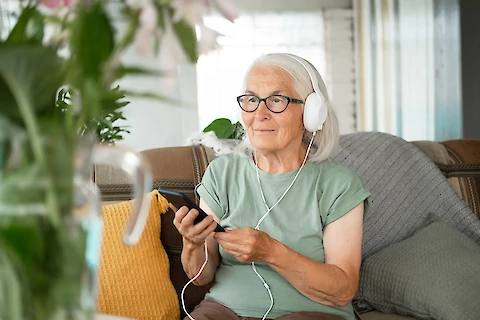
If reading print is difficult, listening opens up a whole world.
Ideas to try:
- Audiobooks (fiction, nonfiction, memoirs)
- Podcasts on favorite topics
- Music appreciation (old favorites or new genres)
- Classic radio shows and dramas
Why Jeff Recommends These
No visual strain, relaxing, and easy to enjoy alone or with others.
2. Hands-On & Tactile Hobbies

Many low-vision readers find hobbies that rely on touch surprisingly satisfying.
Good options include:
- Knitting or crocheting (with larger needles and thick yarn)
- Clay modeling or pottery
- Simple woodworking or whittling
- Beading with large beads
Jeffs Tip
High-contrast tools and good lighting can make these even easier. I often need to use a magnifier lamp for my painting for delicate areas.
3. Word & Voice-Based Creative Hobbies
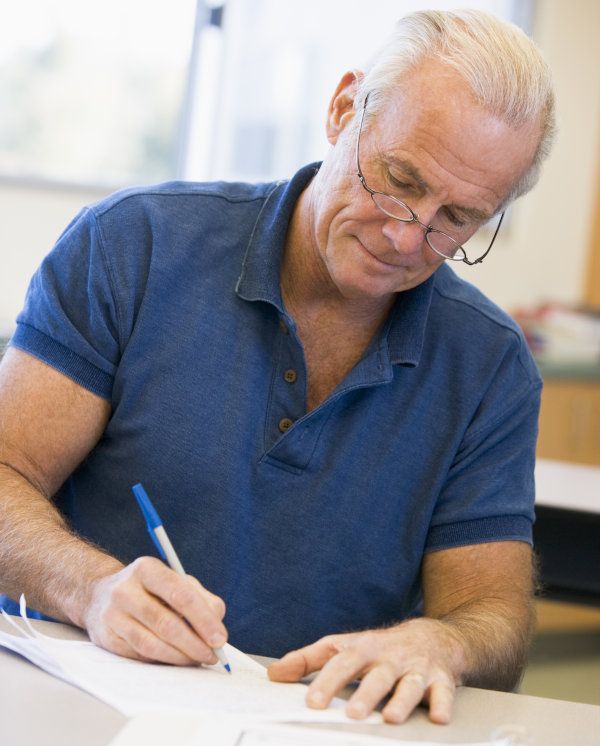
You don’t need to see well to create something meaningful.
Try:
- Dictation-based journaling or memoir writing
- Recording family stories or life memories
- Poetry or storytelling spoken aloud
- Using voice-to-text tools on phones or tablets
These hobbies are especially powerful for preserving personal history.
4. Social & Conversation-Focused Hobbies

Hobbies don’t always involve “doing”—sometimes they involve being with others.
Ideas include:
- Book clubs that use audiobooks
- Discussion or current events groups
- Volunteering for phone-based support roles
- Faith or community discussion circles
Social hobbies help reduce isolation and boost confidence which many of us experience after we retire and live alone.
5. Games & Brain Activities for Low Vision
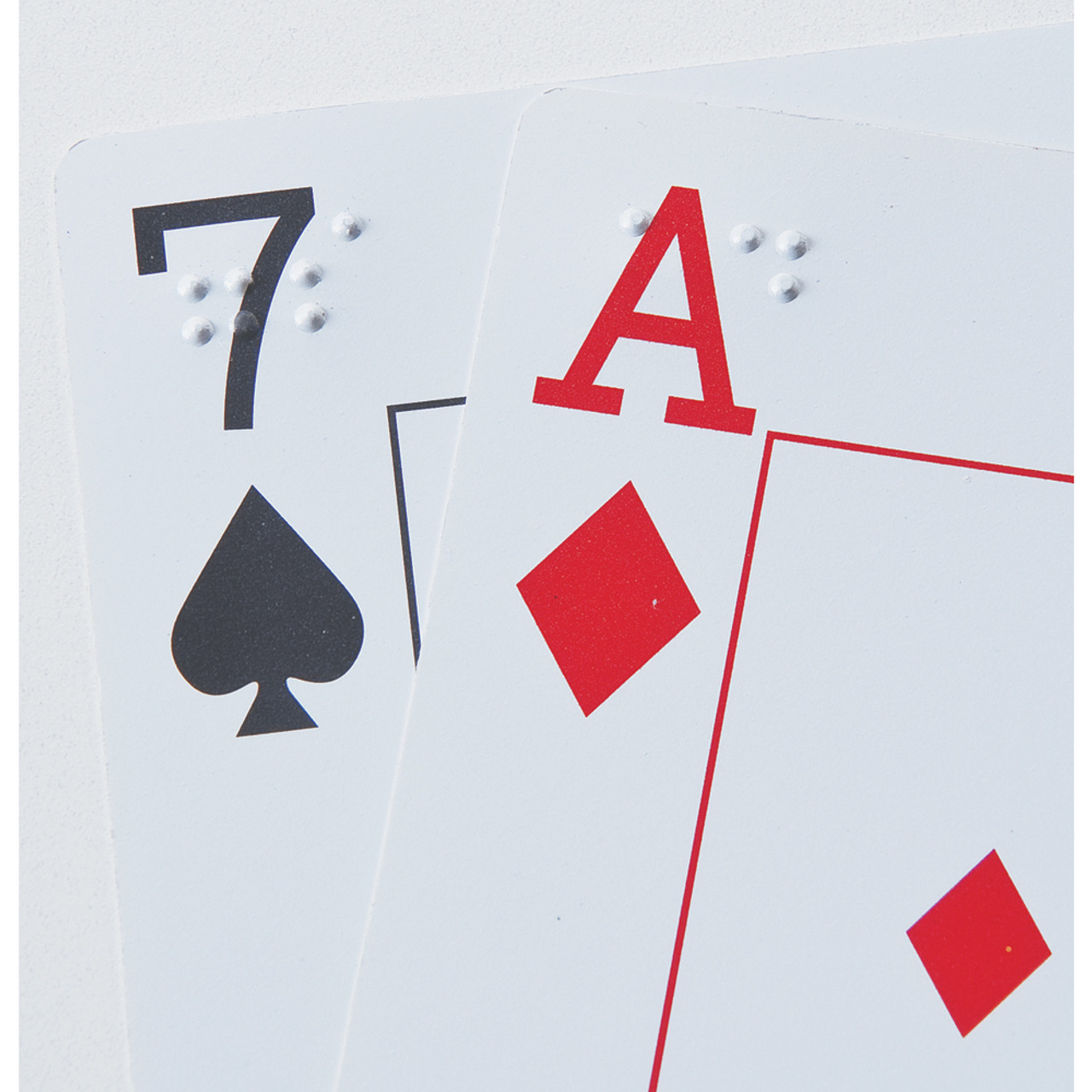
Keeping your mind active matters—and it can be fun.
Consider:
- Large-print or braille playing cards
- Dominoes or tactile board games
- Audio trivia or quiz games
- Talking crossword or word games
Many classic games now have accessible versions that you can purchase online.
6. Nature & Outdoor Hobbies Jeffs Favorites
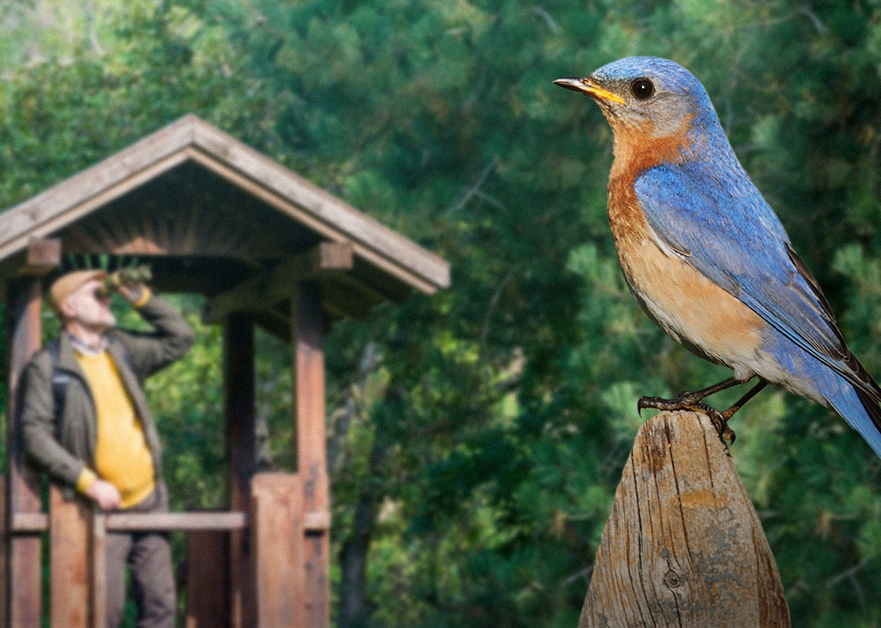
You don’t need perfect vision to enjoy the outdoors.
Try:
- Bird listening instead of birdwatching
- Short, familiar walking routes
- Container gardening with tactile markers
- Nature sound recording or journaling by voice
These activities promote calm, movement, and connection which we all need to be happy.
7. Learning New Skills Using Audio & Support Tools
Technology can be a helpful ally, not an obstacle.
Low-vision–friendly learning options:
- Smart speakers for music, learning, and reminders
- Audio-based courses
- Accessibility features on smartphones and tablets
- Screen readers and magnification tools
Learning doesn’t stop because vision changes.
Encouragement From Jeff
If you’re living with low vision:
- Start slow
- Experiment without pressure
- Ask for adaptations
- Focus on enjoyment, not perfection
Your curiosity, creativity, and desire to stay engaged still matter.
Hobbies to Try if You Have Shaky Hands
Many older adults experience shaky or unsteady hands. Whether caused by aging, medication, or a medical condition, tremors can make certain activities feel discouraging. But there are still plenty of hobbies that don’t require fine motor control—and many that can be adapted.
If shaky hands have made you hesitant to try something new, these ideas may help you rediscover enjoyment without frustration.
1. Listening & Audio-Based Hobbies
These hobbies let you relax and engage without worrying about steady hands.
Ideas to try:
- Audiobooks and narrated memoirs
- Podcasts on hobbies, history, or faith
- Music appreciation or themed playlists
- Classic radio programs and storytelling
Why they work well:
No precision, no pressure—just enjoyment. Once you get used to listening to them you will find them very enjoyable and relaxing.
2. Voice-First Creative Hobbies
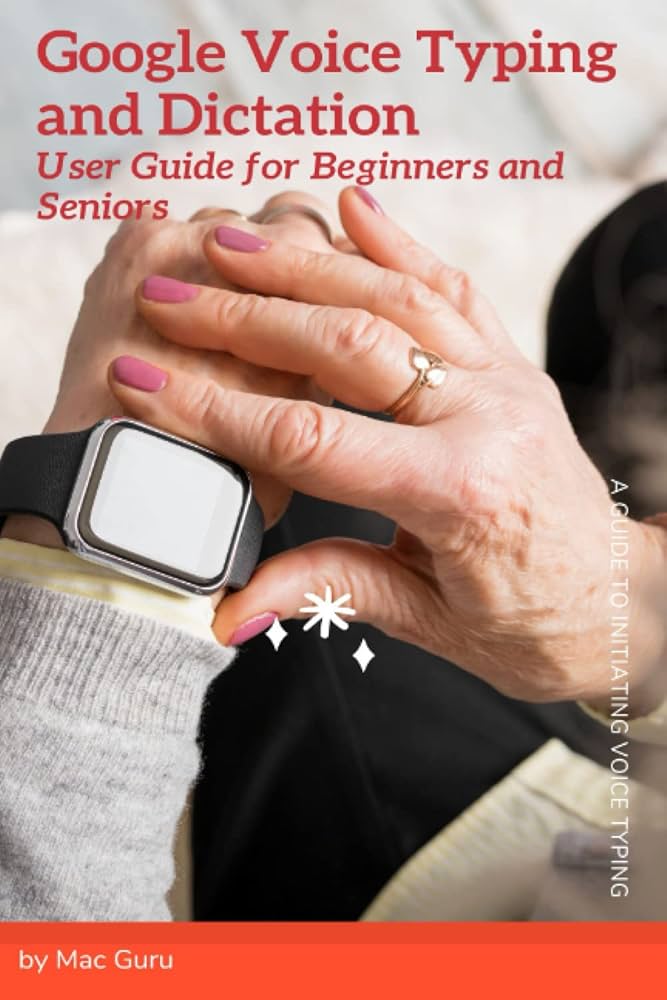
Creativity doesn’t require holding a pen or brush.
Good options include:
- Dictating journal entries or life stories
- Recording family memories or messages
- Spoken poetry or storytelling
- Using voice-to-text on phones or tablets
Many readers find this deeply meaningful and empowering.
3. Hobbies That Use Large, Forgiving Movements
Activities that don’t require precision can be very satisfying.
Try:
- Painting with large brushes or sponges
- Abstract or fluid art (no fine detail)
- Clay modeling or sculpting
- Adult coloring books with bold, simple designs
Jeffs Tip
Focus on texture, color, and expression—not neatness. Just have fun with painting this way and as time goes by you will become more creative naturally.
4. Mind & Conversation-Based Hobbies
Some hobbies are about thinking and connecting—not using your hands.
Ideas include:
- Book clubs (audiobooks count!)
- Discussion or current-events groups
- Faith-based or community conversation circles
- Trivia games played verbally
These hobbies reduce isolation and build confidence.
5. Games That Are Tremor-Friendly
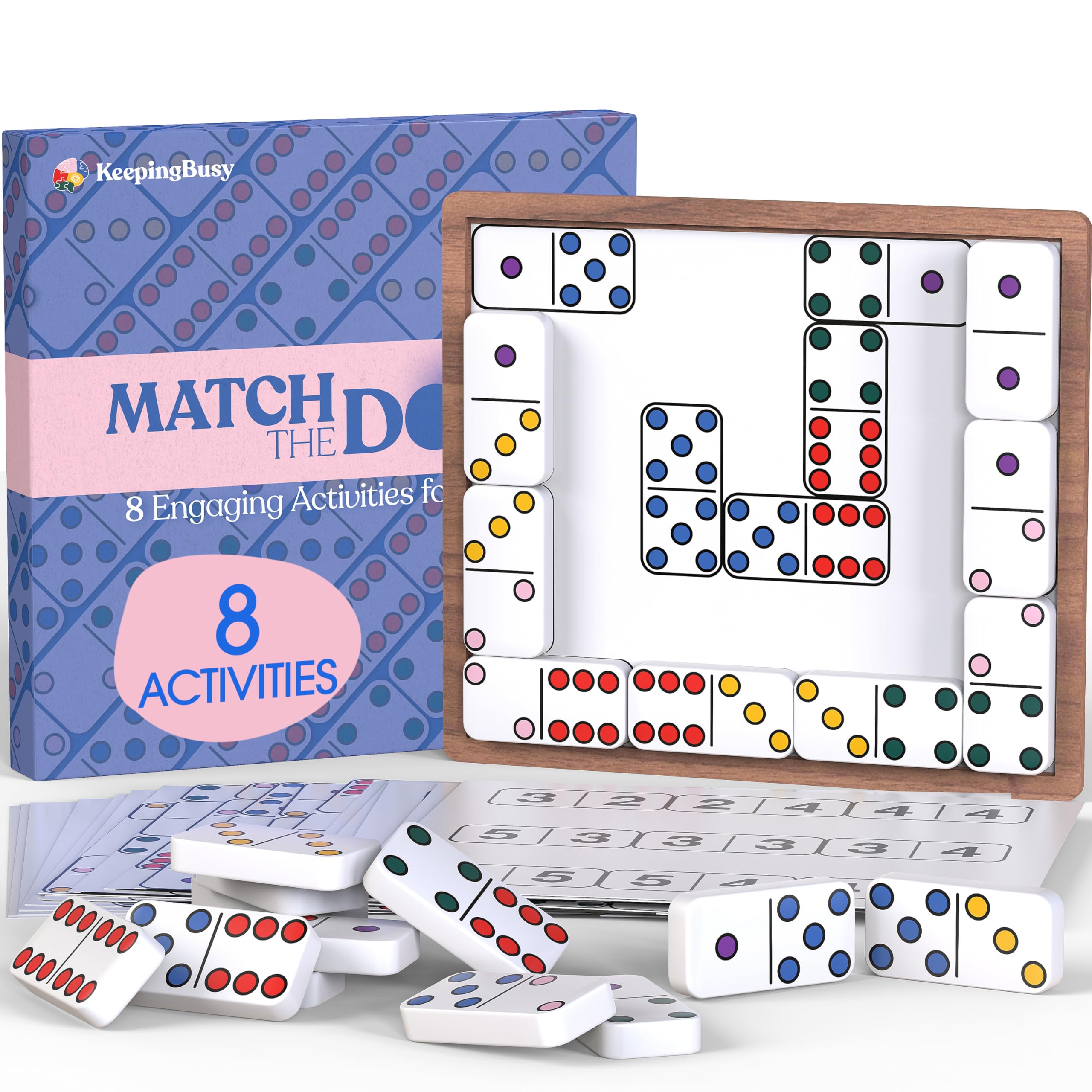
Games can still be fun with the right format.
Good choices:
- Dominoes or tile-based games
- Large-print or jumbo playing cards
- Verbal trivia or quiz games
- Audio-based word or memory games
Avoid games that require speed or tiny pieces and you will have a great time.
6. Gentle Movement & Body-Based Hobbies
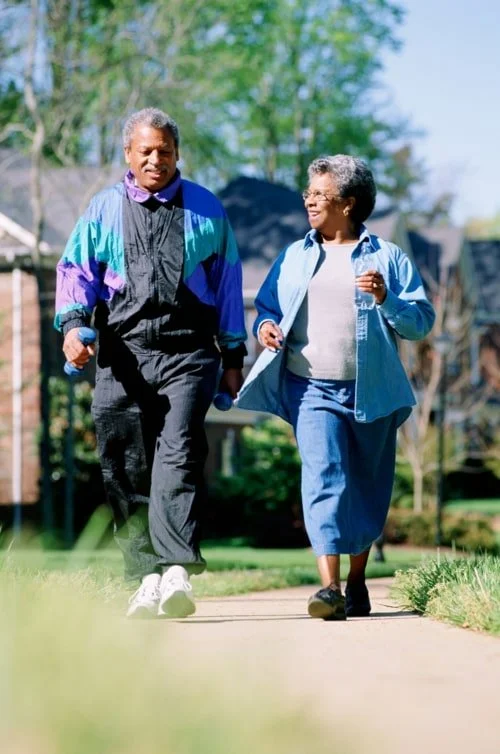
Movement-based hobbies improve both mood and confidence.
Consider:
- Walking (indoors or outdoors)
- Chair yoga or stretching
- Guided meditation or breathing exercises
- Tai chi–style slow movement (if comfortable)
These activities focus on rhythm, not precision.
7. Helpful Adaptations That Make Hobbies Easier
Small changes can make a big difference.
Helpful tools include:
- Weighted pens, brushes, or utensils
- Non-slip mats or trays
- Larger tools instead of small ones
- Stabilizing arm supports or lap desks
Using adaptations is smart—not a failure.
Encouragement From Jeff
If you have shaky hands:
- You are not alone
- Your frustration is understandable
- Your enjoyment still matters
The right hobby should feel calming, engaging, and forgiving. If something feels stressful, it’s okay to let it go and try something else.
Retirement is about comfort, curiosity, and kindness—to yourself most of all.
Medical Disclaimer
The information provided on 65 Plus Life is for general educational and informational purposes only and is not intended as medical advice.
Health conditions, physical abilities, and limitations vary from person to person. Before starting any new hobby, activity, or routine—especially if you have a medical condition, experience tremors, low vision, balance issues, or other health concerns—please consult with your healthcare provider, occupational therapist, or other qualified medical professional.
Always listen to your body, start slowly, and stop any activity that causes pain, discomfort, or distress.
65 Plus Life does not provide medical diagnosis, treatment, or individualized health recommendations.
How to Choose a Hobby When You Have Physical Limitations
If health changes, low vision, shaky hands, pain, or mobility issues have made you nervous about trying something new, you’re not alone. This step-by-step approach is designed to help you start gently, reduce frustration, and build confidence as you go.
Step 1: Start with what you want, not what you “should” do
Ask yourself:
- Do I want something relaxing or energizing?
- Do I want to do it alone or with others?
- Do I want something creative, social, outdoors, or brain-based?
You’re choosing a hobby to feel better—not to prove anything.
Step 2: Name your limitations honestly
This isn’t negative—it’s practical. Write down what makes certain activities harder, for example:
- “My hands shake sometimes.”
- “My eyesight isn’t what it used to be.”
- “I can’t stand for long.”
- “I get tired quickly.”
- “My balance isn’t steady.”
This helps you choose a hobby that fits your real life right now. Thinking this out before you choose a hobby is an important step.
Step 3: Choose hobbies that match your strengths
Even with limitations, you still have strengths. Look for hobbies that lean into them:
- Prefer listening? → audiobooks, podcasts, music, discussion groups
- Like working with your hands (but not fine detail)? → clay, large-format crafts, simple gardening
- Enjoy people? → clubs, volunteering, group classes
- Like learning? → audio courses, history topics, language listening practice
The goal is a good match—not a perfect hobby. Consider something that you would enjoy learning or doing is another important consideration when choosing a new hobby.
Step 4: Pick an “easy win” version of the hobby
Instead of jumping in at full effort, start with the simplest form.
Examples:
- Instead of a complicated craft → try a beginner kit or larger tools
- Instead of cooking from scratch → try one simple recipe or meal prep step
- Instead of long walks → start with 5–10 minutes
- Instead of a big class → try one session or a short workshop
Small starts lower anxiety and build momentum. Baby steps is something that I have learned prevents me from experiencing anxity and frustration.
Step 5: Make it safer and easier with simple adaptations
A few adjustments can turn “too hard” into “I can do this.”
Helpful adaptations:
- Better lighting and high-contrast supplies
- Large-print instructions or audio instructions
- Non-slip mats, trays, or stable work surfaces
- Weighted pens/utensils or larger grips
- Sitting at a table instead of standing
- Short sessions with breaks
Using tools is not “cheating”—it’s smart on your part to be able to pursue a hobby that you truly want to learn.
Step 6: Try it for one week
Tell yourself: “I’m only testing this.”
A one-week trial keeps it from feeling like a big commitment.
A simple plan:
- 10–20 minutes, 2–3 times this week
- Stop before you’re tired
- Keep it enjoyable and light
By starting with short time periods I avoid becoming over anxious and frustrated. Once I become fatigued I experience struggling to do some activities.
Step 7: After the trial, ask 3 simple questions
- Did this make me feel calmer or happier afterward?
- Was it frustrating, or mostly manageable?
- Do I want to try it again—with changes?
If the answer is “no,” that’s still progress. You learned something.
Step 8: Adjust, swap, or level up—your choice
If you liked it but it was hard, adjust:
- Use bigger tools
- Slow down
- Get a beginner version
- Ask someone to set things up for you
If you didn’t like it, swap it out. The goal is not “stick with it”—the goal is find what fits you.
Step 9: Build confidence by keeping your hobby “easy enough”
A hobby should feel:
- Comfortable
- Interesting
- Forgiving
- Enjoyable most of the time
It shouldn’t leave you feeling defeated. If it does, it’s okay to change course.
Jeffs Reassurance

If you’re worried about trying a hobby because of physical limitations, remember this:
You don’t have to do it perfectly.
You don’t have to do it the way you used to.
You only have to start in a way that feels safe and possible.
Jeff Shares With You
If you’ve read this far, take a moment to give yourself credit. Exploring new hobbies—especially when vision changes, shaky hands, pain, or other physical limitations are part of your life—takes courage.
Here’s the most important thing to remember:
Hobbies are meant to support your life, not challenge it.
There is no “right” hobby. There is only what feels comfortable, interesting, and encouraging for you. Starting small, making adjustments, and changing your mind are all part of the process. Retirement is not about pushing through frustration—it’s about finding moments of calm, curiosity, and enjoyment.
To thank you for reading, here’s a simple bonus to help you get started right away.
Quick Hobby Match Quiz Bonus From Jeff
No right or wrong answers—just follow your instincts.
1. When you imagine your ideal hobby time, do you picture:
A. Quiet and relaxing
B. Learning something new
C. Being around people
D. Gentle movement or being outdoors
By answering this first question you are narrowing down your hobbies to find the best one for you.
2. Which feels most true for you right now?
A. I tire easily and need low-energy activities
B. My hands or vision make fine detail difficult
C. I feel a bit lonely and want connection
D. I want to keep my mind sharp
3. How much structure do you prefer?
A. Very little—come and go as I please
B. Some guidance, but no pressure
C. A regular group or schedule
D. Short sessions I can stop anytime
4. What usually brings you the most satisfaction?
A. Feeling calm and peaceful
B. Creating or expressing myself
C. Talking, sharing, or laughing with others
D. Feeling accomplished or mentally engaged
5. Which tools sound most comfortable to use?
A. Audio (listening or speaking)
B. Large or easy-to-hold tools
C. No tools—just conversation or movement
D. Simple games, puzzles, or learning materials
Your Results
Mostly A’s – Calm & Comfort Hobbies
You may enjoy:
- Audiobooks or podcasts
- Music appreciation
- Guided meditation
- Gentle journaling (written or spoken)
Mostly B’s – Creative & Adaptive Hobbies
You may enjoy:
- Clay or tactile crafts
- Painting with large tools
- Voice-based writing or storytelling
- Simple woodworking or hands-on projects
Mostly C’s – Social & Connection Hobbies
You may enjoy:
- Book or discussion clubs
- Volunteering
- Group classes
- Faith or community gatherings
Mostly D’s – Mind & Movement Hobbies
You may enjoy:
- Puzzles or games
- Learning through audio courses
- Walking or chair-based movement
- Trivia or memory activities
Jeff Shares
Your body may have changed—but your curiosity, creativity, and desire for meaning have not.
Start where you are. Choose what feels kind to your body and mind. And remember: a good hobby should meet you with patience, not pressure.
At 65 Plus Life, we’re honored to walk this next chapter with you.
Jeff
Amazon Disclosure: As an Amazon Associate, I earn from qualifying purchases. Any Amazon links used throughout this website may earn a commission when you purchase through them.
- What Is Acrylic Painting Layering For LandscapesWhat is acrylic painting layering for landscapes will guide you step-by-step on your new adventure to acrylic painting Affiliate Disclosure: Some of the links on this website may be affiliate links. This means that if you click a link and make a purchase, I may earn a small commission at no extra cost to you. … Read more
- Acrylic Paint Brush Grips For Arthritis HandsAcrylic paint brush grips for arthritis hands are for people who love painting with acrylics, arthritis pain in the hands can make things tough. Stiffness, swelling, or grip weakness can get in the way of creativity, but new brush grips and some smart adaptations can help keep painting feel enjoyable and doable. Over time, I’ve … Read more
- How To Start Acrylic Painting As A Retiree With Beginner BooksStarting something creative in retirement can feel exciting and a little daunting. Acrylic painting is one of those hobbies that feels approachable, even if you’ve never picked up a brush before. It’s a hobby you can start at your own pace, right at your kitchen table, and it offers some surprising health perks, too. Why … Read more
- 10 Best Support Networks For Elderly Caregivers10 best support networks for elderly caregivers can be extremely valuable. Caregivers need as much support as they can possible receive, and being a older caregiver myself motivated me to share this information with you. Affiliate Disclosure Amazon + Friends Affiliate Disclosure: Some of the links on this website may be affiliate links. This means … Read more
- Easy Adaptive Digital Art Techniques For ArthritisEasy adaptive digital art techniques for arthritis suffers is to help people ready to give up from their arthrits limitations, now everyone might not be able to use these techniques depending on your arthritis severity. For those of you interested, this article is for you. Affiliate Disclosure Amazon + Friends Affiliate Disclosure: Some of the … Read more
- How To Maximize Your Kindle Unlimited AccountHow to maximize your kindle unlimited account without overspending your budget. Since joining kindle unlimited I have learned more than I could have otherwise, I download ebooks that will help me educate myself on gaining more writing skills. Affiliate Disclosure Amazon + Friends Affiliate Disclosure: Some of the links on this website may be affiliate … Read more
- How To Compare AARP Membership Plans For 2026How to compare AARP memberships plans for 2026. Making the decision to invest in an AARP membership plan or plans can be confusing for many, we are going to try our best to compare AARP membership plans in this article to make it easier for you. Affiliate Disclosure Amazon + Friends Affiliate Disclosure: Some of … Read more
- Is AARP Worth Joining In 2026 For Unexpected RetirementIs AARP worth joining in 2026 for most couples. Many couples will be trying to decide if its worth them to become a member of AARP. 65 Plus Life will be providing you information in hopes to making this decision less stressful. Affiliate Disclosure Amazon + Friends Affiliate Disclosure: Some of the links on this … Read more
- Are AARP Benefits Worth It In 2026 Help For Confused ReadersAre AARP beneits worth it in2026 help for confused readers. AARP can drive you crazy filling your email and snail mailbox, many of us are confused if this is something worth us joining. This article is to try my best to help any confused readers to make the best decision for themselves. Affiliate Disclosure Amazon … Read more
- Is AARP Worth It For Seniors 2026 Pros And ConsIs AARP worth it for seniors 2026 pros and cons might be on your mind as well, everyone might not benefit from being a member of AARP. That is what I am dealing with right now myself, trying to figure out myself. Affiliate Disclosure Amazon + Friends Affiliate Disclosure: Some of the links on this … Read more
I really connected with your step-by-step approach because retirement can feel overwhelming at first, especially when physical changes make certain activities harder than they used to be. When a family member of mine retired, we started small with audiobooks and short walking sessions, and that gentle consistency made a noticeable difference in mood and confidence. I also appreciate how you emphasize adapting tools and choosing hobbies that work with the body, not against it, since that practical mindset makes it much easier for retirees to actually stick with a new hobby and enjoy this stage of life.
Thank you Aly,
I thank you for taking the time to visit 65 Plus Life today. I am always inspired by my readers like you sharing your experience reading my articles
Jeff