
Best hobbies for seniors 65 and older is for those of you who are seeking new hobbies to add to your retirement life. Staying active physically and mentally are both important to remain healthy as you age.
Affiliate Disclosure
Amazon + Wealthy Affiliate + Friends
You will never find any affiliate links in any of my step-by-step guides on any of my websites, I feel that my guides are to educate you, not push products & services at you.
Affiliate Disclosure: Some of the links on this website may be affiliate links. This means that if you click a link and make a purchase, I may earn a small commission at no extra cost to you. These commissions help support 65 Plus Life and Boomer Biz HQ so I can continue creating free resources for older adults.
Amazon Disclosure: As an Amazon Associate, I earn from qualifying purchases. Any Amazon links used throughout this website may earn a commission when you purchase through them.
Wealthy Affiliate Disclosure: I am also a proud affiliate of Wealthy Affiliate. If you choose to join their platform through my referral link, I may earn a commission. I only recommend Wealthy Affiliate because it has personally helped me build websites and create income online, and I believe it can help other older adults learn these skills too.
Thank you for supporting my work — it truly means a lot.
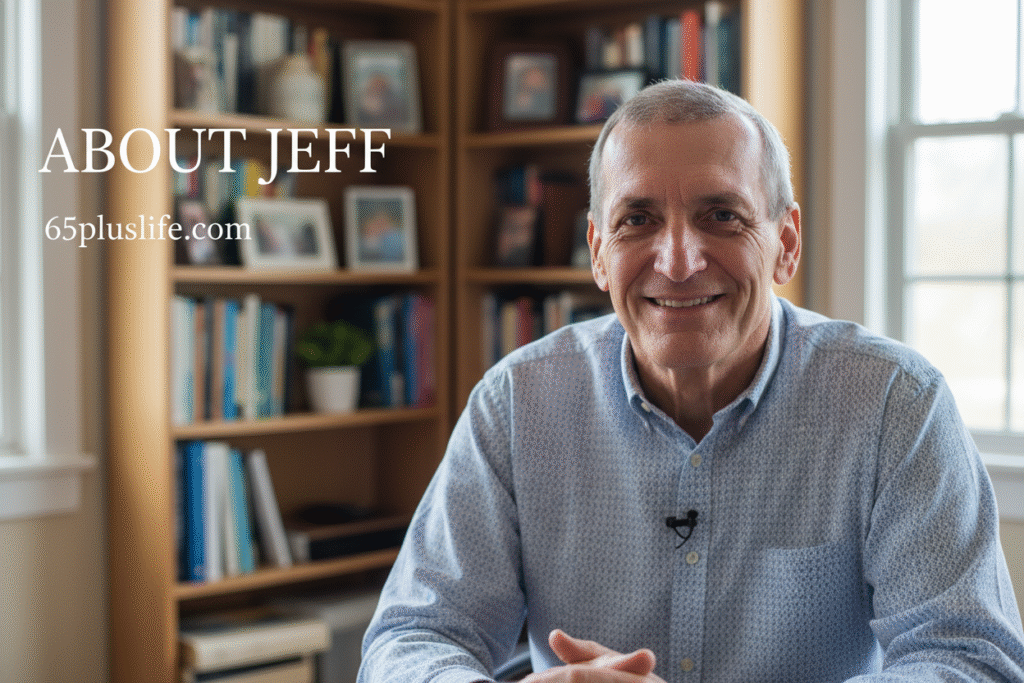
Jeff
Your Retired Now What
Congratulations on your retirement! This is a wonderful stage of life to lean into activities that you may not have had time for during your career.
Since your goal is to remain active, I’ve categorized these suggestions based on how they keep you moving—physically, socially, and mentally—while being mindful of joint-friendly options.
1. High-Engagement Physical Hobbies
These are the best for maintaining “functional strength” and cardiovascular health.
- Pickleball: Often called the “fastest-growing sport for seniors,” it is played on a smaller court than tennis, making it easier on the joints while remaining highly social and competitive.
- Water Aerobics or Swimming: The buoyancy of water supports your weight, making this the “gold standard” for staying active without risking impact injuries. It’s particularly great for improving range of motion.
- Nordic Walking: This involves walking with specialized poles. It engages 90% of your muscles (including your core and arms) and reduces the strain on your knees compared to regular walking.
2. Nature-Based Active Hobbies
If you enjoy being outdoors, these hobbies provide “stealth exercise” where you’re moving without it feeling like a workout.
- Gardening: From “sweat-inducing” tasks like digging and hauling soil to more meticulous tasks like pruning, gardening improves dexterity and functional strength.
- Birdwatching (Birding): This often involves light hiking or walking through varied terrain. It’s a great “mental-physical” hybrid, as you’re active while also training your brain to identify species and songs.
- Geocaching: Think of this as a high-tech scavenger hunt. You use your smartphone to find hidden containers (caches) in your local area or parks. It’s a fun way to add a “mission” to your daily walk.
3. Mind-Body Wellness
These focus on balance, flexibility, and fall prevention, which are crucial as we age.
- Tai Chi or Qigong: Often called “meditation in motion,” these practices use slow, deliberate movements to improve balance and core strength. Many local parks offer free or low-cost senior sessions.
- Chair Yoga: If standard yoga feels a bit daunting, chair yoga offers the same stretching and breathing benefits while providing a stable base to prevent falls.
4. Socially Active Hobbies
Staying socially connected is just as important for longevity as physical movement.
- Volunteering: Many retirees find purpose in docent work at museums, tutoring, or helping at animal shelters. This keeps you on your feet and connected to your community.
- Dance Classes: Whether it’s Line Dancing, Ballroom, or “Zumba Gold” (a lower-intensity version), dancing is one of the best ways to keep both your heart and your brain sharp through rhythm and choreography.
65 Plus Lifestyle

Researching hobbies for this stage of life is less about finding a list of “senior activities” and more about finding a lifestyle fit that balances physical health with personal enjoyment.
Here is a structured approach to researching and vetting the best options for you.
1. Identify Your “Active” Style
Before looking at specific hobbies, define what “active” looks like for you. Research usually categorizes senior hobbies into three types:
- Low Impact / High Mobility: Focuses on flexibility and balance (e.g., Tai Chi, Yoga, Swimming).
- Functional Movement: Daily chores turned into movement (e.g., Gardening, Woodworking, Volunteering at an animal shelter).
- Cardio & Coordination: Keeps the heart rate up and requires quick thinking (e.g., Pickleball, Ballroom dancing, Nordic walking).
2. Use Local Community Resources
The best research is often done in person where you can try things for free or low cost:
- Centers for Active Adults: Search for your county’s “Department of Aging” or “Center for Active Adults.” They offer structured classes (often free) specifically designed for the 65+ demographic.
- Parks & Recreation Departments: Check their seasonal “Adult Ed” or “50+ Programs” catalogs. They often have groups for hiking, birding, or even “SilverSneakers” gym programs.
- Public Libraries: Beyond books, libraries are hubs for “Yarn Groups,” book clubs, and tech workshops that keep you socially and mentally active.
3. Consult Health & Science-Based Guides
If you want to choose a hobby based on specific health goals, look into the “why” behind them:
- Cognitive Sharpness: Research from organizations like AARP or the National Institute on Aging shows that “Dual-Task” hobbies—those that require physical movement and complex thinking (like dancing or learning a new sport)—are the most effective at preventing cognitive decline.
- Social Connectivity: Platforms like Meetup.com allow you to search for “Senior” or “Over 60” groups in your specific city. Research shows that social activity is a primary driver of longevity in retirees.
One place you will find me hanging out is “Senior Planet”, I highly recommend you considser visiting this website for social connectivity online.
4. Leverage Specialized Senior Organizations
These groups do the research for you by vetting activities for safety and engagement:
- Road Scholar: Excellent for researching “educational travel” or active learning retreats.
- AmeriCorps Seniors: If your version of “active” involves giving back, they match retirees with high-impact volunteer roles.
- SilverSneakers: Check if your health insurance covers this; it provides access to thousands of fitness locations and classes tailored for seniors.
A Simple “Trial” Strategy
To narrow your list down, I recommend the “Rule of Two”:
- Pick one “Social-Active” hobby: Something where people expect you to show up (like a walking club or pickleball).
- Pick one “Solo-Active” hobby: Something you can do at home or on your own schedule (like gardening or yoga).
Kindle Hobby eBooks
Kindle is an excellent tool for this because you can adjust the font size for comfort and carry an entire library of “how-to” guides with you.
When searching the Kindle Store, I recommend looking for books that are “Illustrated” or “Step-by-Step,” as these are often better for beginners.
Here are a few highly-rated Kindle ebooks focused on keeping you active and learning:
1. The “Big Picture” Retirement Guides
Before picking a specific hobby, these books help you build a “portfolio” of activities to ensure you stay happy and balanced.
- “How to Retire Happy, Wild, and Free” by Ernie Zelinski: This is a classic. It focuses on the psychological side of retirement and provides a massive list of unconventional hobbies that don’t cost a lot of money.
- “What Will I Do All Day?” by Patrice Jenkins: A great read if you are struggling with the transition to retired life. It offers actionable advice on finding a new sense of purpose through hobbies.
2. Physical & Wellness Ebooks
These books focus on movement and are often available as “Quick Reads” on Kindle.
- “10-Minute Chair Exercises for Seniors” by PrimeLife Wellness: This includes 68 exercises and video demos (via links in the ebook) specifically designed to improve core strength and balance.
- “The Art of Aging Well” by Dr. David Lipschitz: A wellness guide that provides practical tips on staying active, healthy, and positive through your 60s and beyond.
3. Skill-Based Hobby Ebooks
If you want to master a specific craft, these are the “Gold Standard” manuals often found in digital format:
- “The Vegetable Gardener’s Bible” by Edward C. Smith: This is the most popular guide for beginners. It covers everything from soil prep to high-yield harvesting.
- “The Complete Book of Woodworking” by Tom Carpenter: If you have a garage or workspace, this ebook offers step-by-step guides for projects ranging from birdhouses to furniture.
- “Photography For Older Adults”: Look for guides specifically aimed at “Digital Photography for Seniors.” These books usually skip the heavy technical jargon and focus on how to take great photos with the camera or smartphone you already own.
4. Mental Sharpening Ebooks
- “Brain Games: Large Print Puzzles”: While you can’t “write” in a standard Kindle Paperwhite, Kindle Fire tablets or the Kindle App on an iPad allow you to engage with interactive puzzle books that keep your mind sharp.
- “The Thursday Murder Club” by Richard Osman: While this is fiction, it’s a favorite among retirees. It’s about a group of seniors in a retirement village who solve cold cases. It’s a great way to “mentally” join a hobby group!
Jeffs Tip: Use The Libby App
Before you buy these on Amazon, check if your local library uses the Libby app. You can borrow thousands of Kindle hobby books for free using your library card and send them directly to your Kindle device.
Hobbies & Health Benefits
Choosing the right hobby after 65 isn’t just about passing the time; it’s about “prescriptive play.” Research shows that engaging in specific types of activities can directly target the physiological and cognitive changes that occur as we age.
Here is a breakdown of the specific health benefits you can expect from the best hobbies for older adults:
1. Physical Health:
The best active hobbies for those over 65 focus on Balance, Strength, and Cardiovascular Health.
- Fall Prevention: Hobbies like Tai Chi, Yoga, and Pickleball improve “proprioception” (your brain’s awareness of where your body is in space). This significantly reduces the risk of falls, which is a leading health concern for seniors.
- Bone Density: Weight-bearing hobbies like Gardening (digging/lifting) or Nordic Walking help slow the rate of bone loss and can help prevent or manage osteoporosis.
- Heart Health: Low-impact cardio like Swimming or Water Aerobics strengthens the heart and improves circulation without putting stress on arthritic joints. It can also help lower blood pressure and “bad” cholesterol.
2. Cognitive Health: Building
Science suggests that learning a new skill is more beneficial for the brain than repeating an old one.
- Dementia Prevention: Studies show that “Dual-Task” activities—those that require physical movement and mental processing simultaneously (like Ballroom Dancing or Strategy Games) — are highly effective at building new neural connections.
- Memory & Focus: Hobbies that require sequence and planning, such as Woodworking or Cooking, exercise the executive function of the brain, helping to keep your memory sharp and your attention focused.
- Fine Motor Skills: Activities like Knitting, Painting, or Playing a Musical Instrument maintain hand-eye coordination and finger dexterity, which is vital for maintaining independence in daily tasks.
3. Mental & Emotional Health
Retirement can sometimes lead to a shrinking social circle, which has been linked to higher risks of heart disease and depression.
- Stress Reduction: Gardening and Birdwatching provide “restorative benefits.” Being in nature lowers cortisol (the stress hormone) and has been shown to alleviate symptoms of anxiety and depression.
- Sense of Purpose: Hobbies that produce a result (a blooming flower, a finished painting, or a tutored student) provide a “dopamine hit” of accomplishment. This fosters a sense of being “useful” and “needed,” which is a core component of long-term happiness.
- Social Connectivity: Joining a Pickleball league or a Book Club combats the “isolation epidemic.” Regular social interaction is as critical to longevity as a healthy diet or exercise.
Writing & Blogging
Writing and blogging are arguably some of the most beneficial hobbies you can take up after 65. They act as a “multiplier” for your other hobbies—like gardening or photography—by forcing you to engage with them more deeply so you can explain them to others.
Here is why this is a particularly strong choice for your goals and how it impacts your health:
1. The Health Benefits of “Sharing Your Story”
- Blogging is a “high-complexity” task. It requires you to plan a narrative, organize photos, use new software, and respond to comments. This multi-tasking is exactly what neurologists recommend to maintain cognitive sharpness and delay memory loss.
- Combatting “Social Isolation”: Even if you are writing from your living room, blogging connects you to a global community. Sharing your gardening tips or photography setups will lead to digital “conversations” with people who share your passion, providing a vital sense of belonging.
- Writing about your experiences allows you to preserve your wisdom and family history. Many retirees find a deep sense of purpose in creating a “digital scrapbook” that their children and grandchildren can access forever.
2. Why Blogging Complements Gardening & Photography
Blogging turns a solitary hobby into a structured project:
- For Photography: A blog gives your photos a “home.” Instead of pictures just sitting on a hard drive, you can create “Photo Essays.” Writing about how you took a shot (the lighting, the patience, the camera settings) reinforces your own learning.
- For Gardening: A blog acts as a highly effective Garden Journal. By documenting what you planted in 2026 and how it fared, you create a resource for yourself for next year, while helping other beginners avoid the same mistakes.
3. Beginner-Friendly Platforms to Consider
You don’t need to be a computer programmer to start. These platforms are designed for ease of use:
- Substack (Easiest for Writing): Very popular right now. It’s like a combination of a blog and a newsletter. You just write your post, add a photo, and hit “Publish.” It’s clean, simple, and free.
- Blogger (Best for Google Users): If you have a Gmail account, you already have access to Blogger. It is straightforward and integrates perfectly with Google Photos.
- Wix or Squarespace: If you want your Photography to look professional, these platforms offer beautiful, “drag-and-drop” templates that make your images look like they belong in a magazine.
Two other choices I recommend that you consider are WordPress.com and WordPress.org. Both of these are highly used by older adults just like you and me, if you want an easy way to just test writing start with the WordPress.com free plan. For anyone into more tech website, WordPress.org would be the best choice for you.
Jeff Shares
Choosing a hobby at this stage of life is a bit like designing a “personal ecosystem.” To help you make the best choice, there are three specific concepts I want you to know about that go beyond just “staying busy.”
1. The “Ikigai” Framework
There is a Japanese concept called Ikigai (pronounced ee-key-guy), which translates to “a reason for being.” It suggests that the most fulfilling hobbies sit at the intersection of four things:
- What you love (e.g., being in nature)
- What you are good at (e.g., photography)
- What the world needs (e.g., teaching others or sharing beauty)
- What you can be paid for (or in retirement, what brings you value/purpose)
When you choose a hobby like blogging about your gardening, you hit all four: you love the garden, you’re good at the craft, the world needs your wisdom, and the “value” you get back is the social connection and legacy you build.
2. The “Intergenerational” Advantage
One of the most powerful things you can do for your health is to choose a hobby that puts you in contact with younger people.
- Why it works: Interacting with different generations has been scientifically proven to “novelize” the brain, forcing it to adapt to new slang, tech, and perspectives.
- How to apply it: If you take up photography, join a local club that includes college students or young professionals. If you volunteer, look for “mentorship” roles. This “cross-pollination” of energy and wisdom is a massive booster for emotional well-being.
3. Evaluate Your “Functional Readiness”
Before diving into a physical hobby, it’s helpful to do a quick “inventory” of your current movement. The AARP often recommends these three checks:
- The Balance Check: Can you stand on one leg for 10+ seconds? If not, a hobby like Tai Chi should be your “foundation” hobby before something more high-impact like Pickleball.
- The Dexterity Check: Do you have arthritis flare-ups in your hands? If so, photography (using a lightweight mirrorless camera) might be better than heavy woodworking or fine-gauge knitting.
- The Mobility Check: Do you prefer “station-based” activity (Gardening in one spot) or “transit-based” activity (Birdwatching/Hiking)?
4. The “Compound Interest” of Hobbies
Think of your hobbies as a portfolio. Just like a financial portfolio, you want diversification:
- The Anchor: A daily, low-stakes habit (Reading your Kindle, light stretching).
- The Social: A weekly event (Blogging group, walking club).
- The Project: A long-term goal (Creating a photo book of your 2026 garden).
Jeffs Final Thought on Blogging
Since you mentioned blogging, I should note that in 2026, the “bar” for starting is lower than ever. You don’t need to be a “techie.” with options such as WordPress.com, I started out using this platform for a personal blog. After a while, I started writing to help older adults like you with three websites focusing on diffrent needs.
- Boomer Biz HQ focuses totally on assisting older adults preparing for retirement income.
- 65 Plus Life concentrates on a wider selection of topics including shopping and resources for seniors.
- Dawg Solutions is my own person journey caring for a senior dog.
Each one of these are important to me, but better yet I am able to help older adults like you and me. If any of these websites appeals to you, I would love for you to visit them and leave me a comment.
Thank you for reading ” Best Hobbies For Seniors 65 and Older”,
Jeff/ 65 Plus Life
Affiliate Disclosure
Amazon + Wealthy Affiliate + Friends
You will never find any affiliate links in any of my step-by-step guides on any of my websites, I feel that my guides are to educate you, not push products & services at you.
Affiliate Disclosure: Some of the links on this website may be affiliate links. This means that if you click a link and make a purchase, I may earn a small commission at no extra cost to you. These commissions help support 65 Plus Life and Boomer Biz HQ so I can continue creating free resources for older adults.
Amazon Disclosure: As an Amazon Associate, I earn from qualifying purchases. Any Amazon links used throughout this website may earn a commission when you purchase through them.
Wealthy Affiliate Disclosure: I am also a proud affiliate of Wealthy Affiliate. If you choose to join their platform through my referral link, I may earn a commission. I only recommend Wealthy Affiliate because it has personally helped me build websites and create income online, and I believe it can help other older adults learn these skills too.
Thank you for supporting my work — it truly means a lot
Jeff
- What Are The Best Stratgies For Kindle Publishing IncomeWhat are the best strategies for Kindle Publishing income? That is what you will learn by reading my step-by-step guide, this is easier than many seniors realize to supplement their social security. With the high prices many of you might be struggling, this could be the answer you have been praying for. Affiliate Disclosure Amazon … Read more
- Excellent Hobbies To Start In Retirement RevealedHobbies to start in retirement can be an adventure for many of you. I am going to helpl you get started with some of the best hobbies for retired adults. When we retire we must fill that void somewhere, so instead of sitting around being bored why not start a new hobby. Affiliate Disclosure Amazon … Read more
- Best Creative Hobbies For RetireesCreative hobbies for retirees is for those of you who recently retired. Join me on an adventure exploring new hobbies especially for older adults. Now is the time to explore new adventures being retired, let us see what creative hobby you might choose. Affiliate Disclosure Amazon + Wealthy Affiliate + Friends Affiliate Disclosure: Some of … Read more
- How Seniors Can Grow Their Pinterest AudienceHow seniors can grow their Pinterest audience for their retirement income. Pinterest is another platform awesome for traffic to your website, anyone with an online business should learn how to grow an audience on this platform for success. Affiliate Disclosure Amazon + Wealthy Affiliate + Friends Affiliate Disclosure: Some of the links on this website … Read more
- How Seniors Can Use Social Media Safely And SuccessfulHow seniors can use social media safely is an important topic to know about. That is the reason I decided to write an article in hopes in helping older adults. Even seniors are using the internet today, so knowing how for them to remain safe is important to me. Affiliate Disclosure Amazon + Wealthy Affiliate … Read more
What a wonderfully positive and comprehensive list! I really appreciate that you’ve gone beyond just listing activities and highlighted the specific benefits for each—like cognitive stimulation, social connection, and physical mobility. Framing hobbies as a way to “rewire your brain” and build community is so encouraging. The inclusion of both classic pursuits (like gardening) and modern ones (like digital photography) shows there’s truly something for every interest and ability level. A fantastic resource for embracing this vibrant chapter of life!
Awesome to hear from you Cian,
When my readers share it aids me on improving my guides for them, I also encourage requests from my readers with problems they might be having I can help them with
Jeff